Tushar Sharma
Postmeta vs custom tables: make the call in time
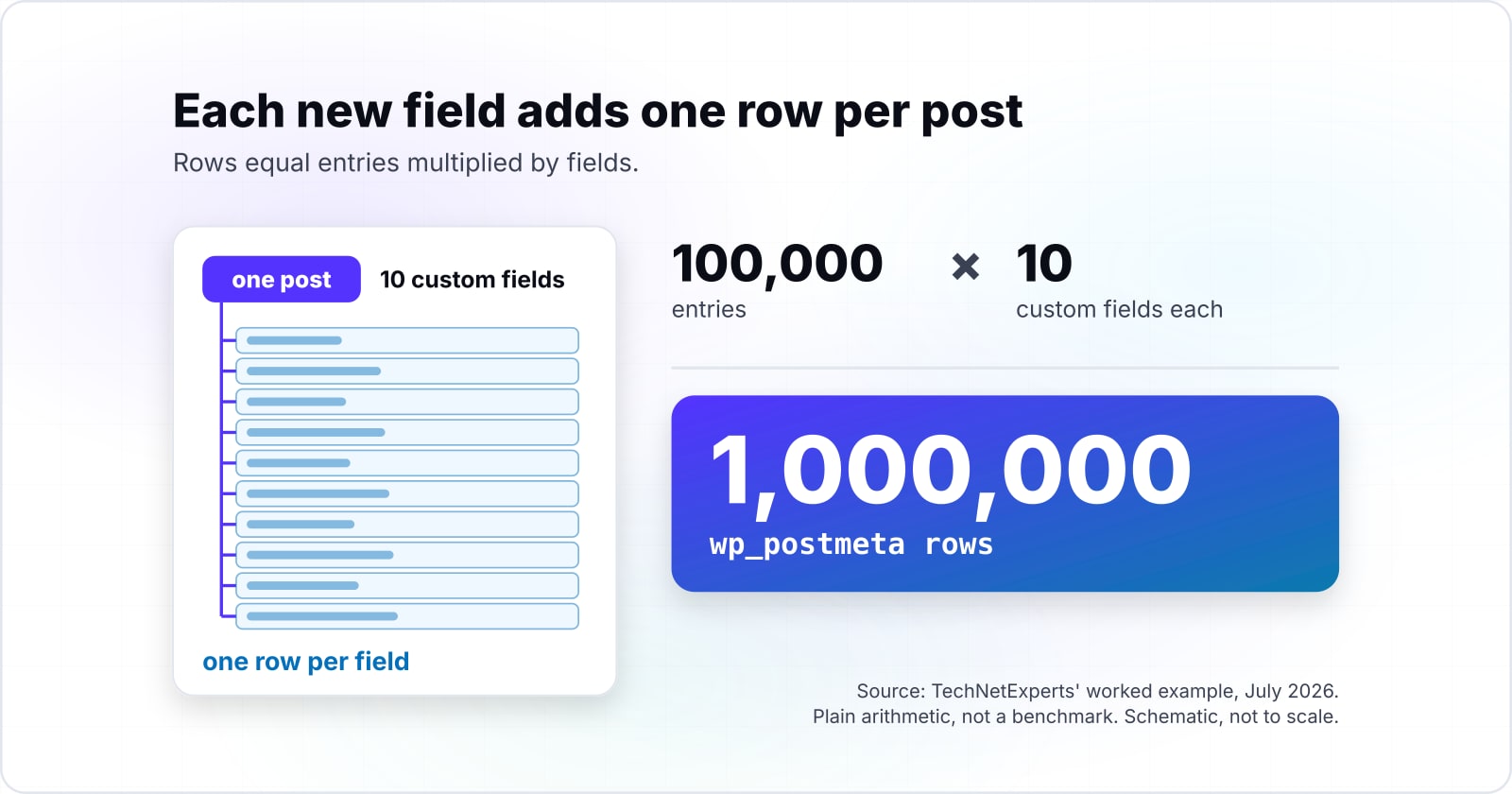
Decide postmeta vs custom tables on numbers: compute your meta_query break-even, find the collapse knee, and climb a four-rung reversibility ladder.
Read the postRead WordPress as a system: the request lifecycle, the serialization grammar, and the postmeta break-even.
WordPress articles from Atyantik that treat the platform as a system to reason about, not a CMS to click through. We trace the request lifecycle from index.php to shutdown, explain why the core still serializes data instead of storing JSON, and settle the postmeta versus custom tables question on break-even math. You will also find how to structure a large install with Composer and PSR-4, and how to run an AI content workflow with no extra plugins.
Tushar Sharma
Decide postmeta vs custom tables on numbers: compute your meta_query break-even, find the collapse knee, and climb a four-rung reversibility ladder.
Read the postTushar Sharma
Structure WordPress at scale with Composer, PSR-4, and npm: the two-graph model, the cross-plugin namespace collision, vendor scoping, and a safe migration.
Read the postIshan Chavda
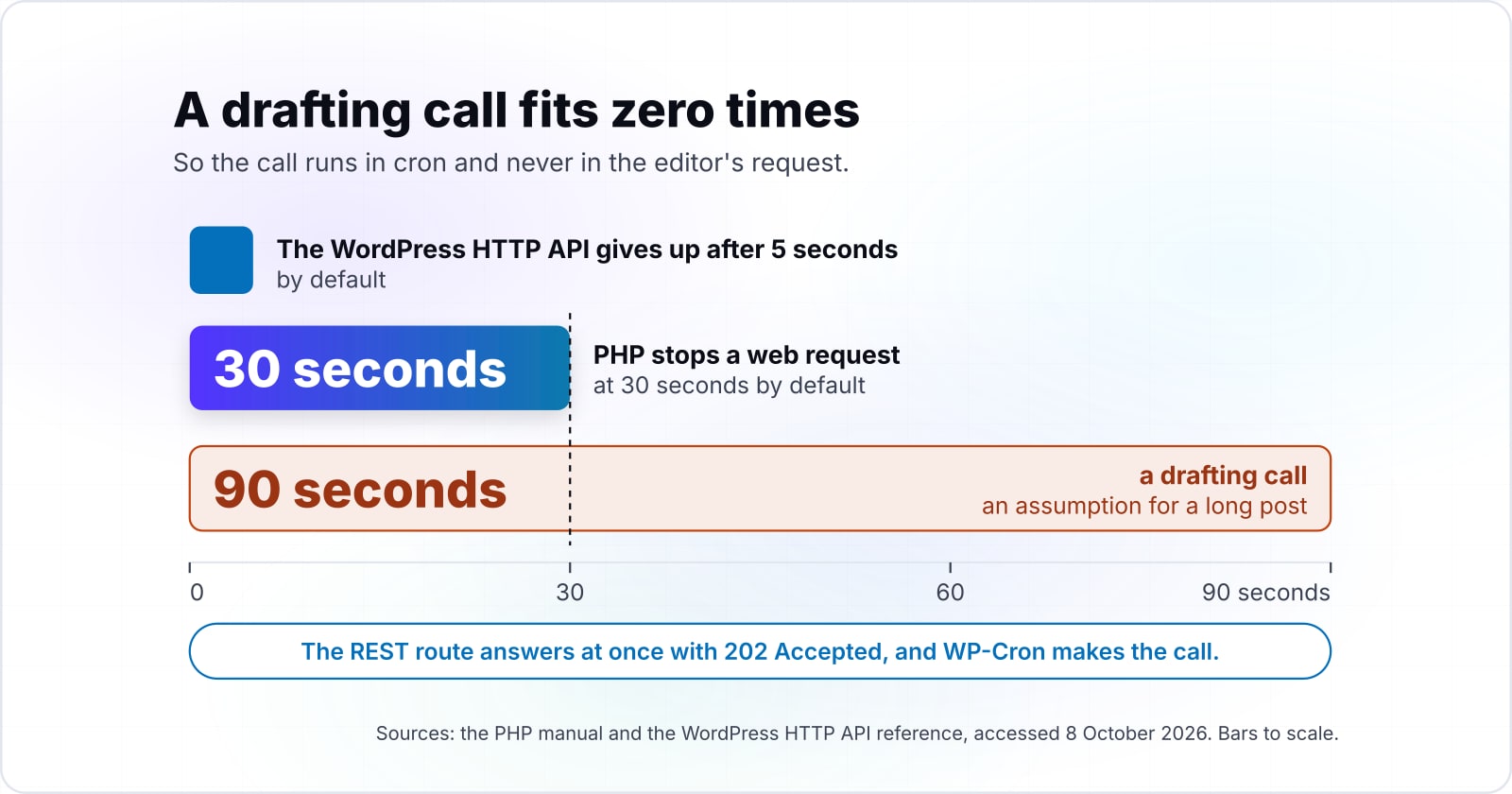
Build an AI content workflow in WordPress with no plugins: a REST route, a WP-Cron worker, custom statuses, and transients that survive timeouts.
Read the postMaulik Macwan
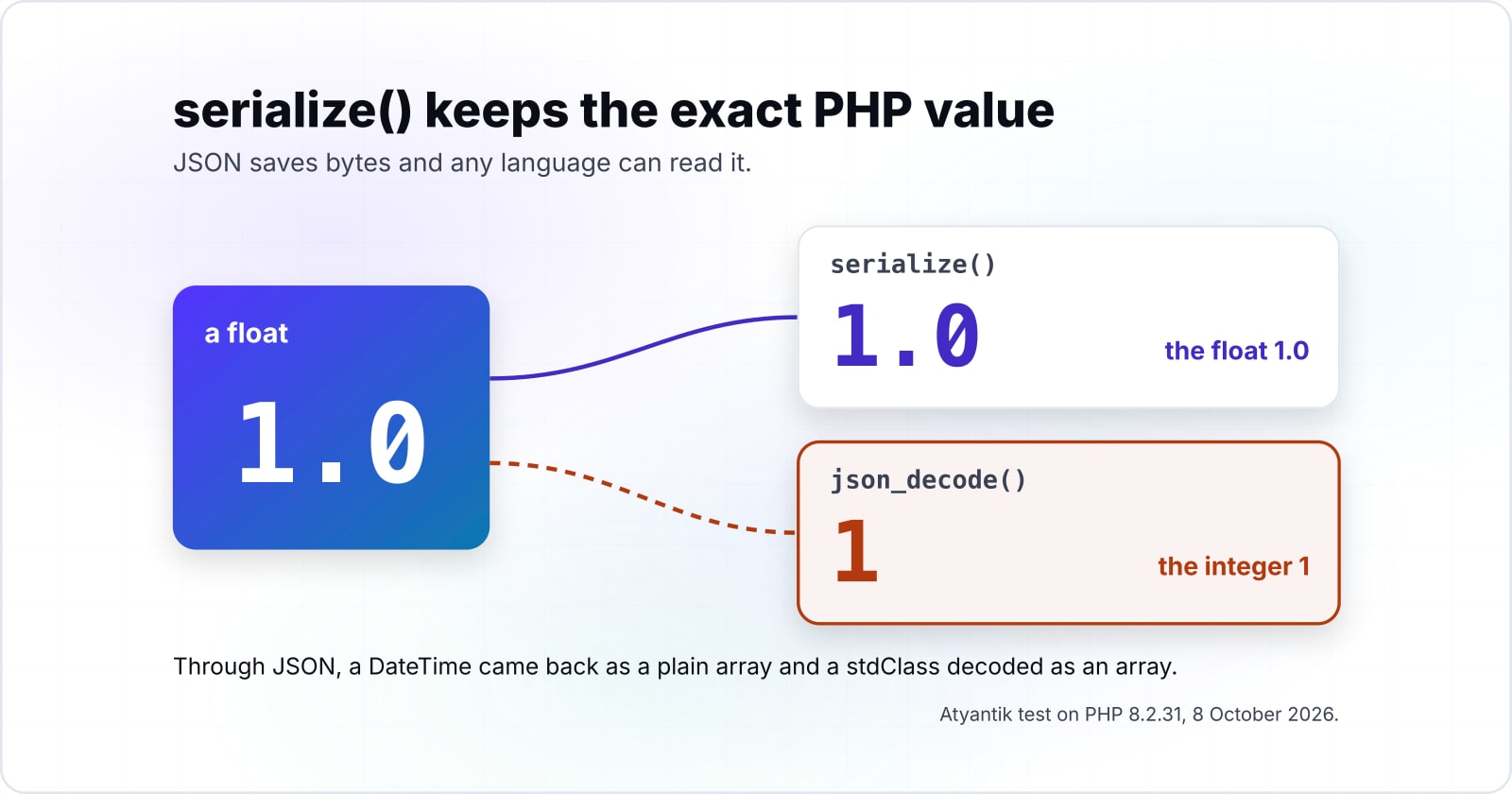
Why does WordPress use PHP serialization instead of JSON? Native-type fidelity, the byte grammar, the unserialize() object-injection risk, and when to switch.
Read the postMaulik Macwan
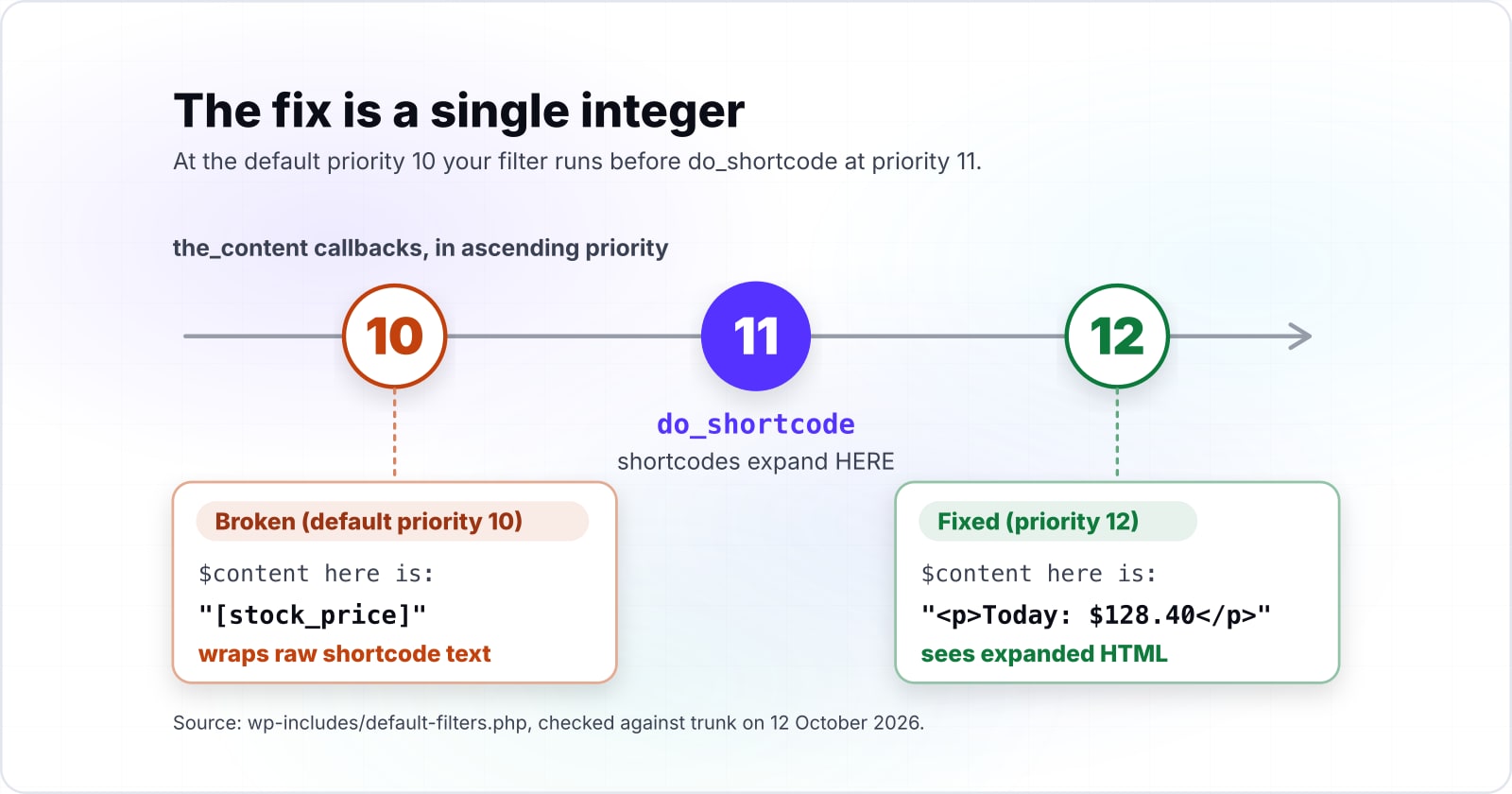
The WordPress request lifecycle, source-traced from index.php to shutdown: what state each hook exposes, and why hooking too early or too late breaks.
Read the postKalpesh Patel
WordPress powers over 40% of websites worldwide. Explore its key features, advantages, disadvantages, and why it remains the leading content management system.
Read the post