Ajay Patel
An incremental strangler migration to micro frontends keeps teams shipping
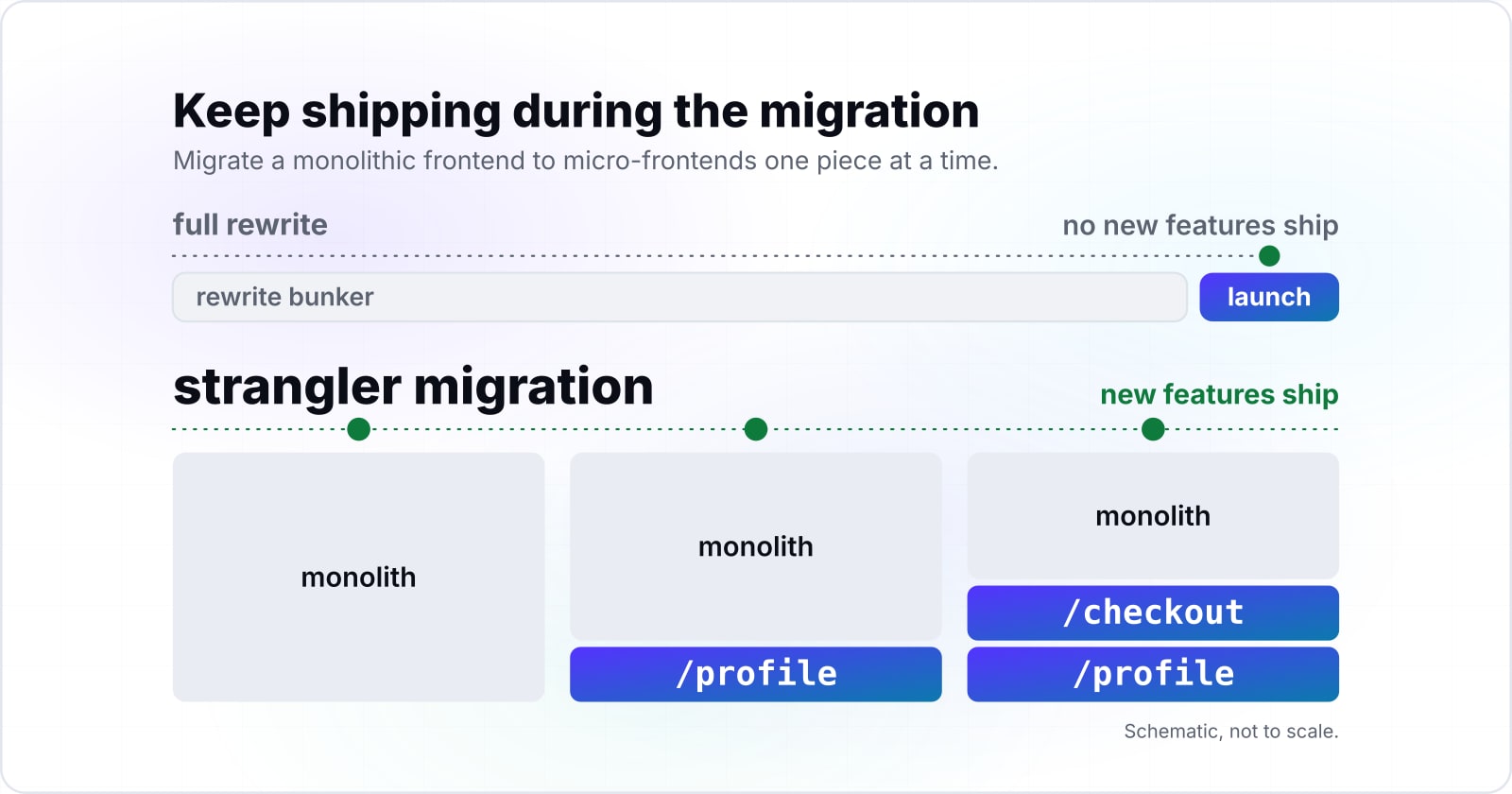
An incremental strangler migration to micro frontends lets a front-end lead or CTO keep shipping features while the monolith shrinks, route by route.
Read the postMore Atyantik articles on Systems & Architecture, page 2.
Ajay Patel
An incremental strangler migration to micro frontends lets a front-end lead or CTO keep shipping features while the monolith shrinks, route by route.
Read the postAjay Patel
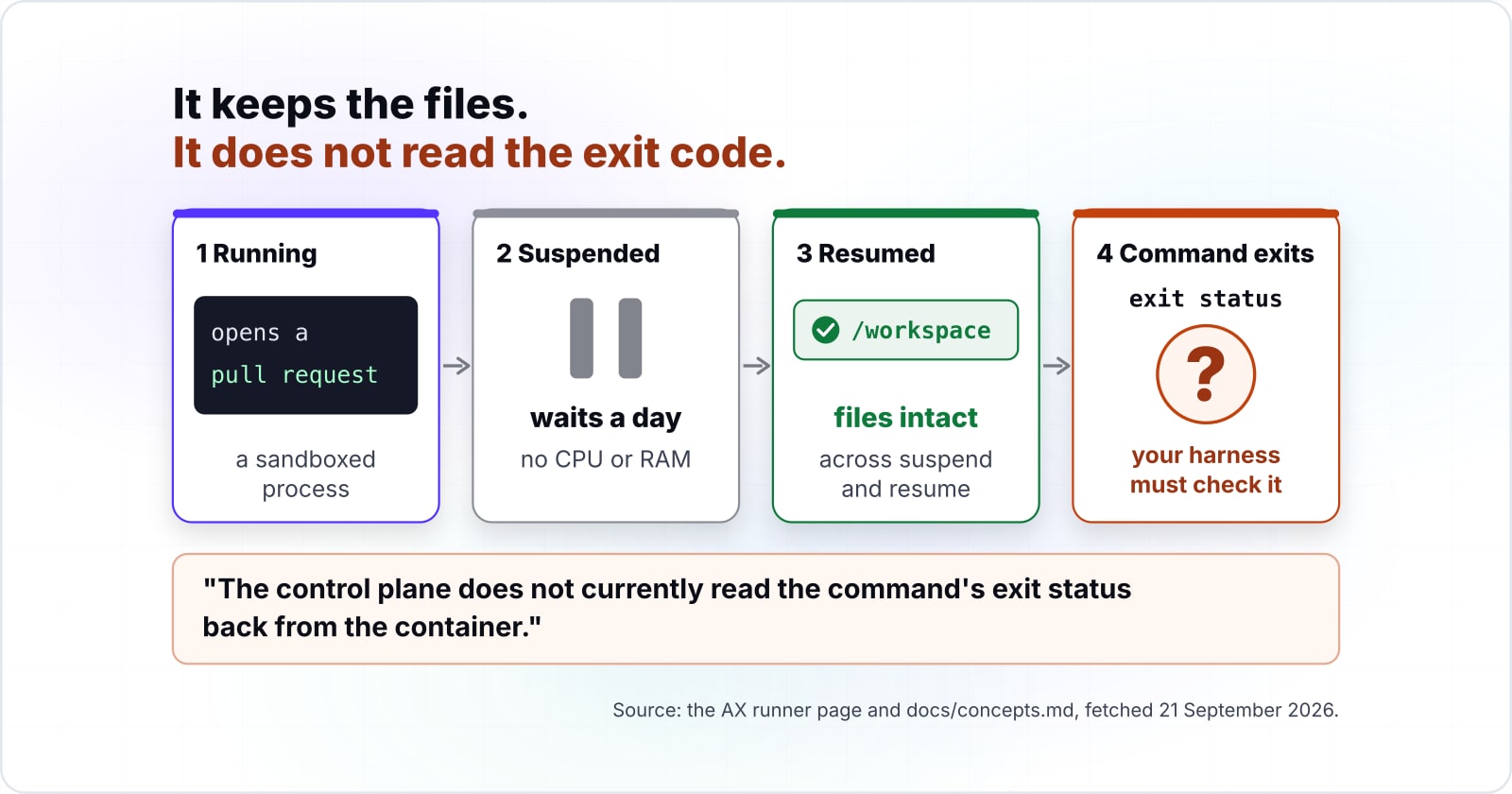
Google AX agent runtime from its own docs: Task, Workspace, Gateway and Model, what a resume restores, where retries live, and what a cluster needs first.
Read the postAjay Patel
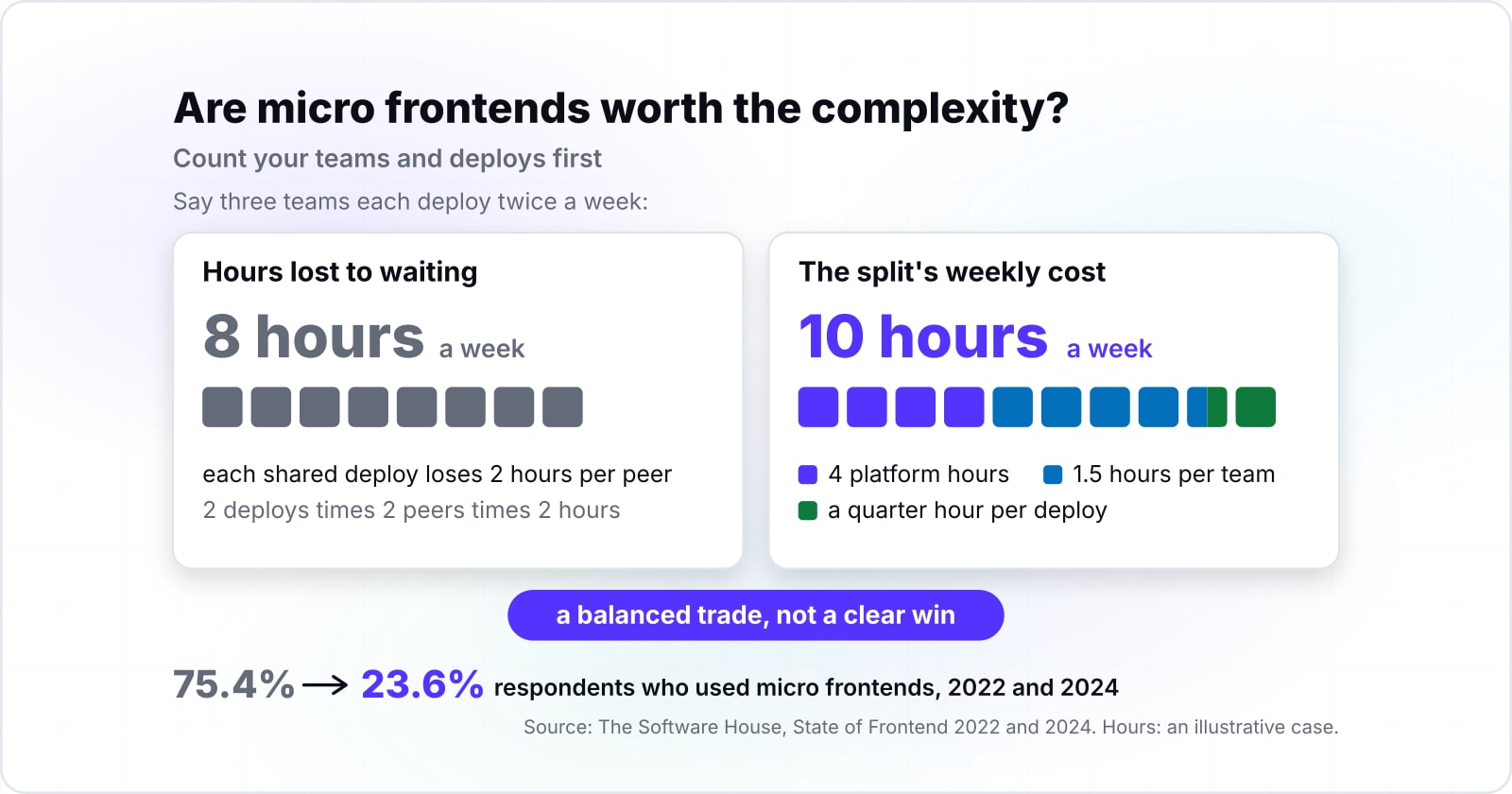
Are micro frontends worth the complexity? Run a test on team count and deploy cadence, price the shared-dependency cost, and know when to stay monolithic.
Read the postTirth Bodawala
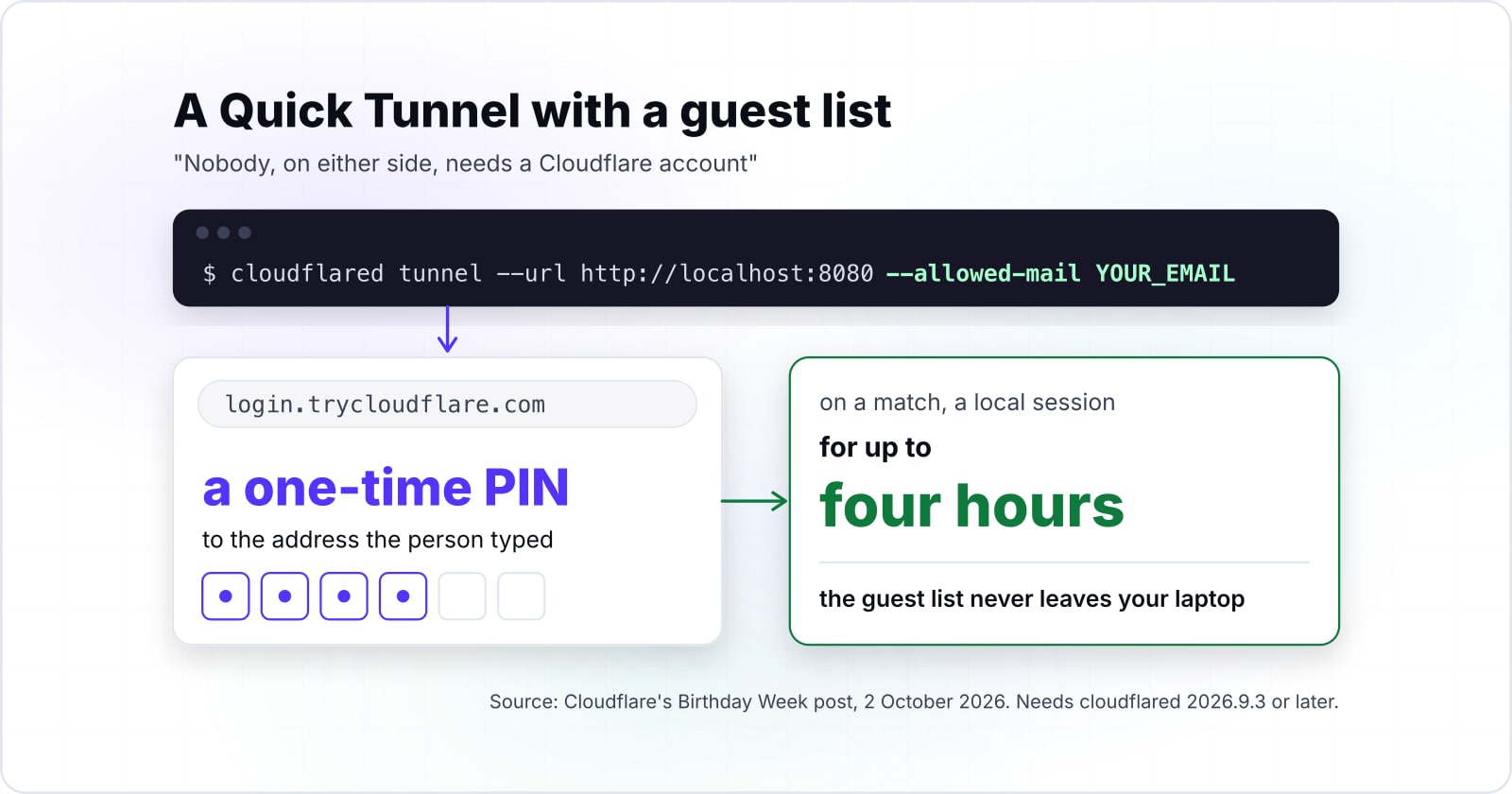
Cloudflare Quick Tunnels cloudflared Zero Trust guide: the one command, every documented limit, the --allowed-mail flag and a named tunnel behind Access.
Read the postTirth Bodawala
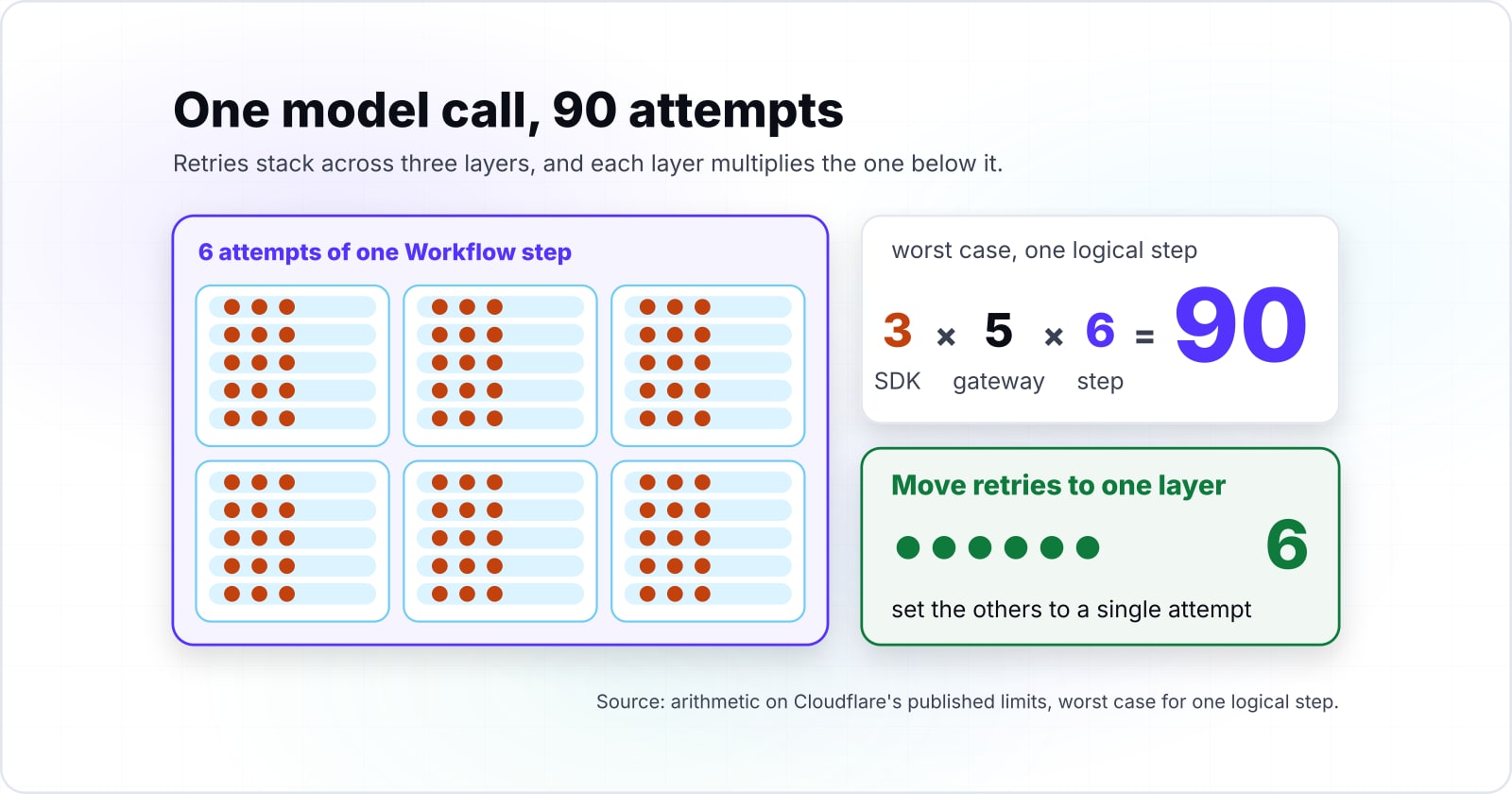
Cloudflare Workflows for AI jobs, by failure shape: the construct that answers each, how retries stack across three layers, how fast a loop spends steps.
Read the postTirth Bodawala
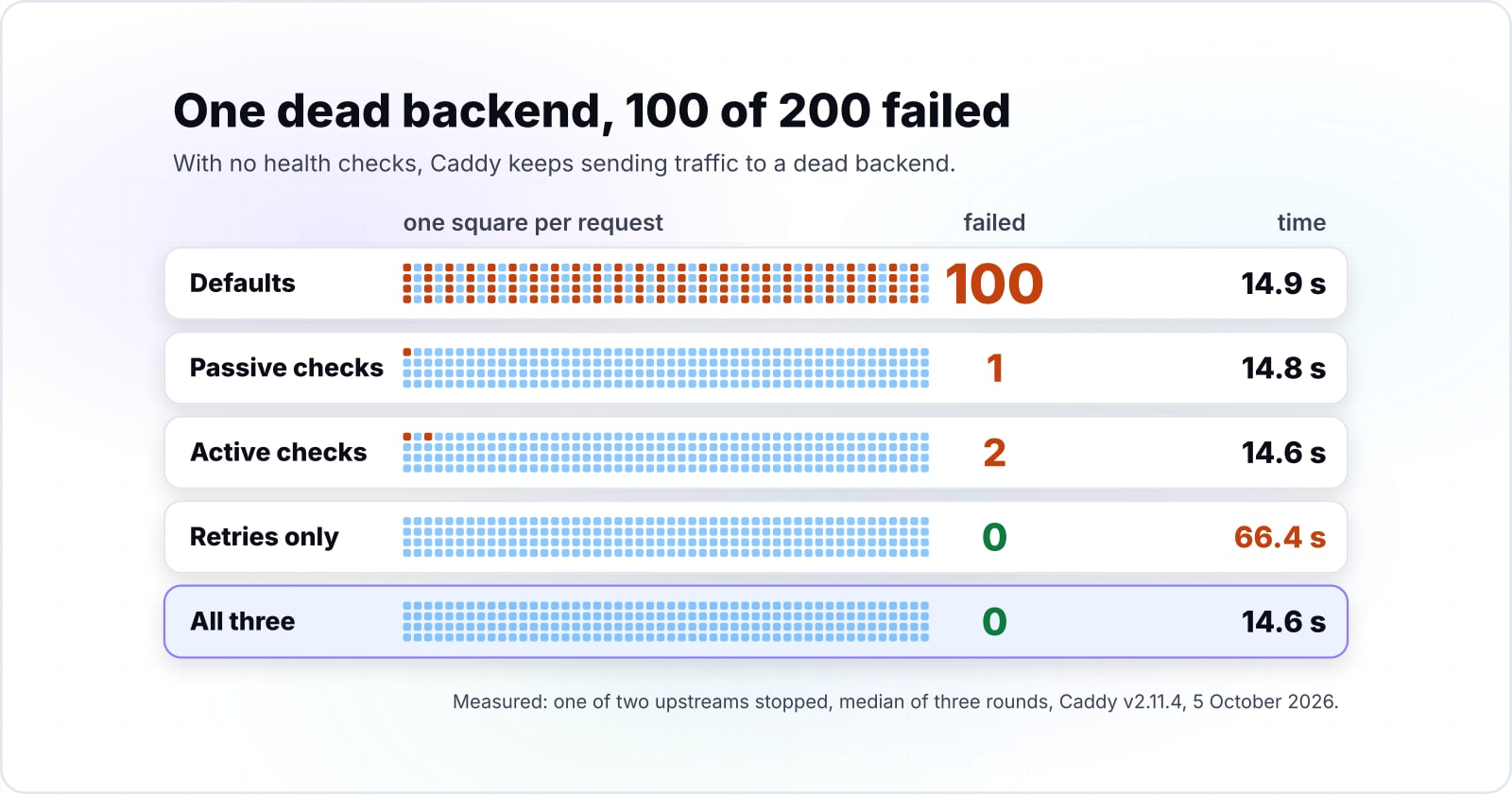
Caddy reverse proxy load balancing, tested: what a dead backend costs with no checks, and the Caddyfile for health checks, retries and HTTPS.
Read the postTirth Bodawala
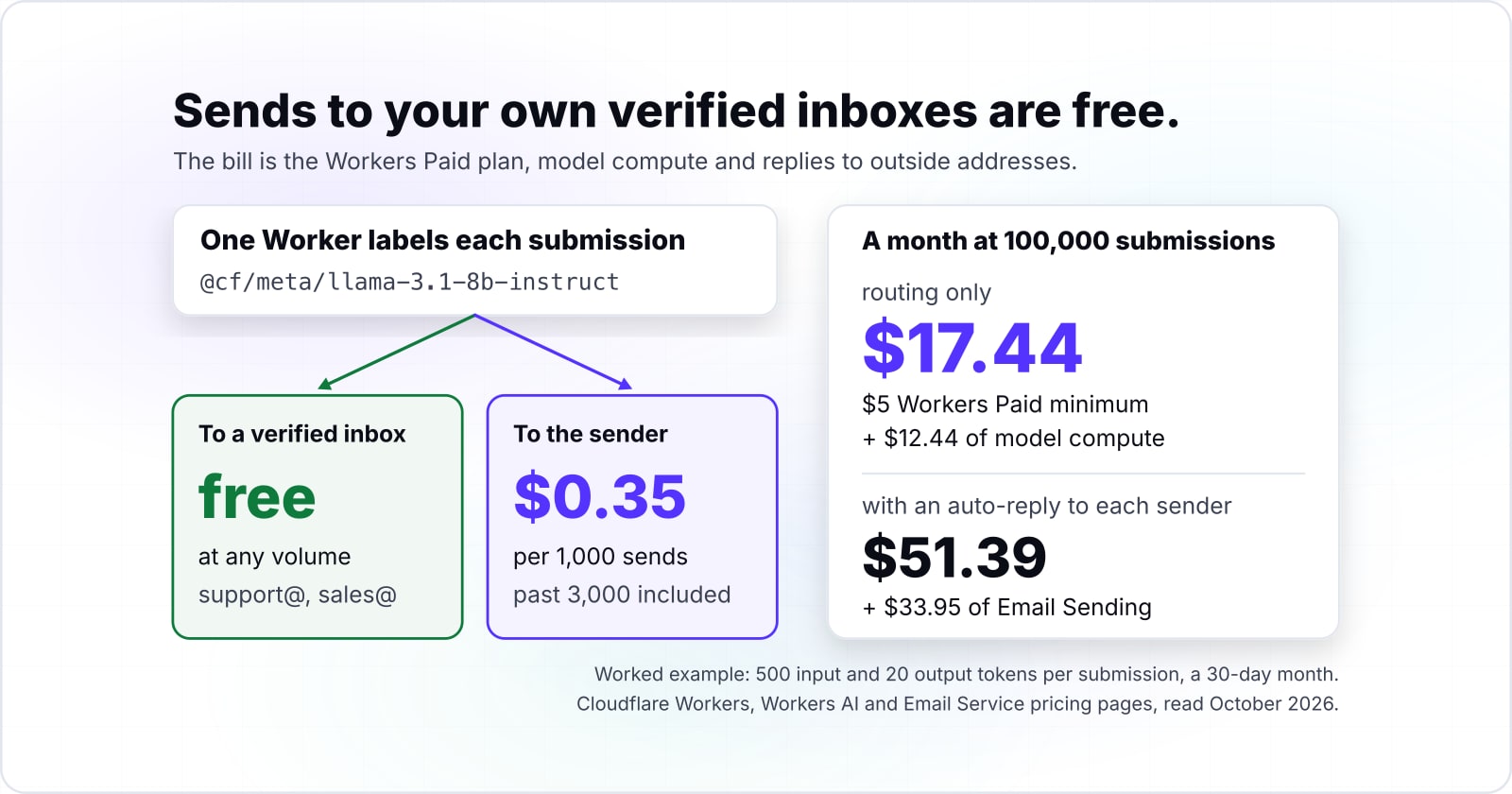
Cloudflare AI form submission email routing in one Worker: a Workers AI label, a fixed inbox table, the send_email binding and what each meter costs.
Read the postTirth Bodawala
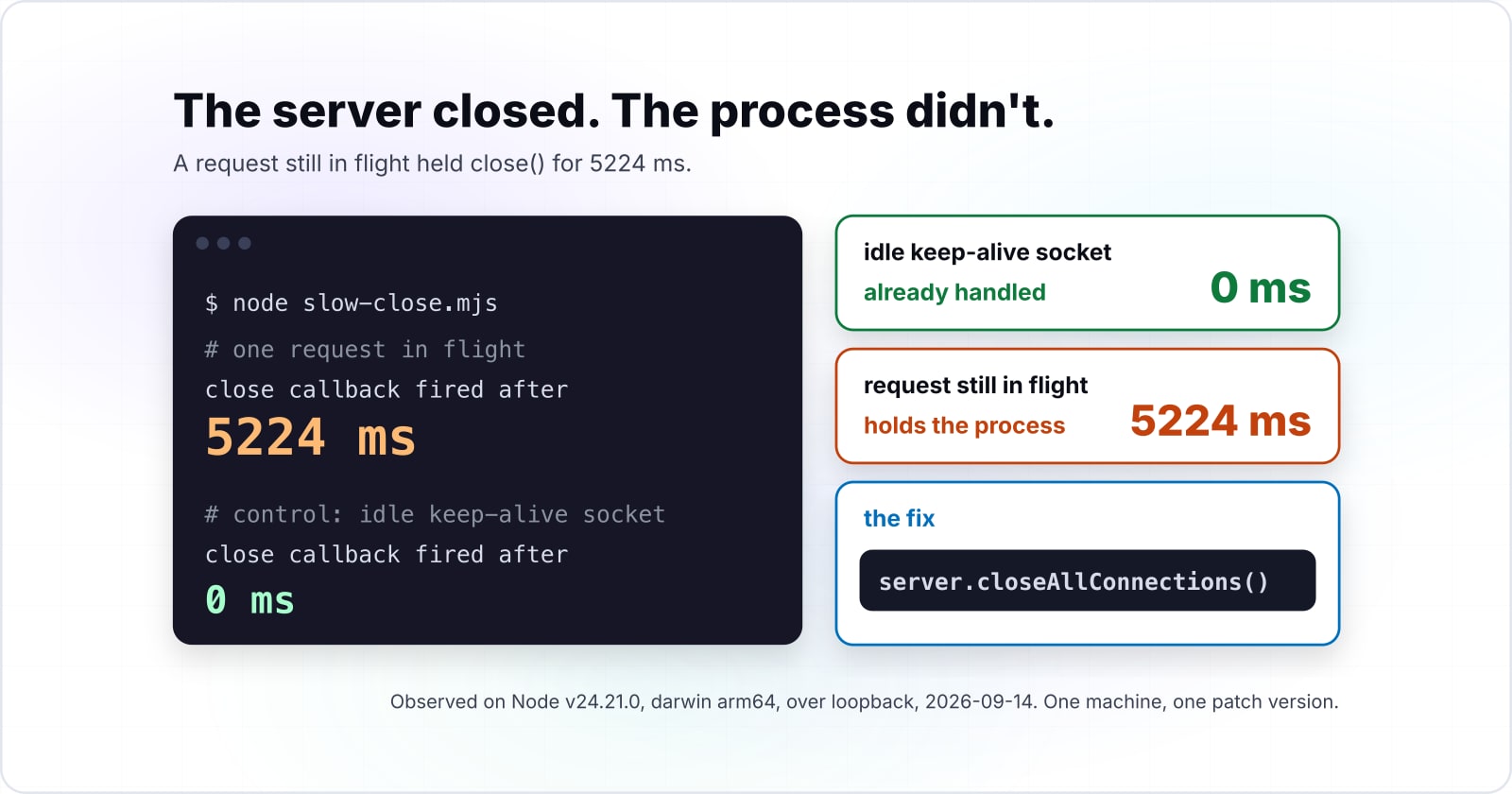
Build, inspect and test an HTTP/1.1 server in Node.js with only core modules, then fix the shutdown that never exits. Measured on Node v24.21.0.
Read the postTirth Bodawala
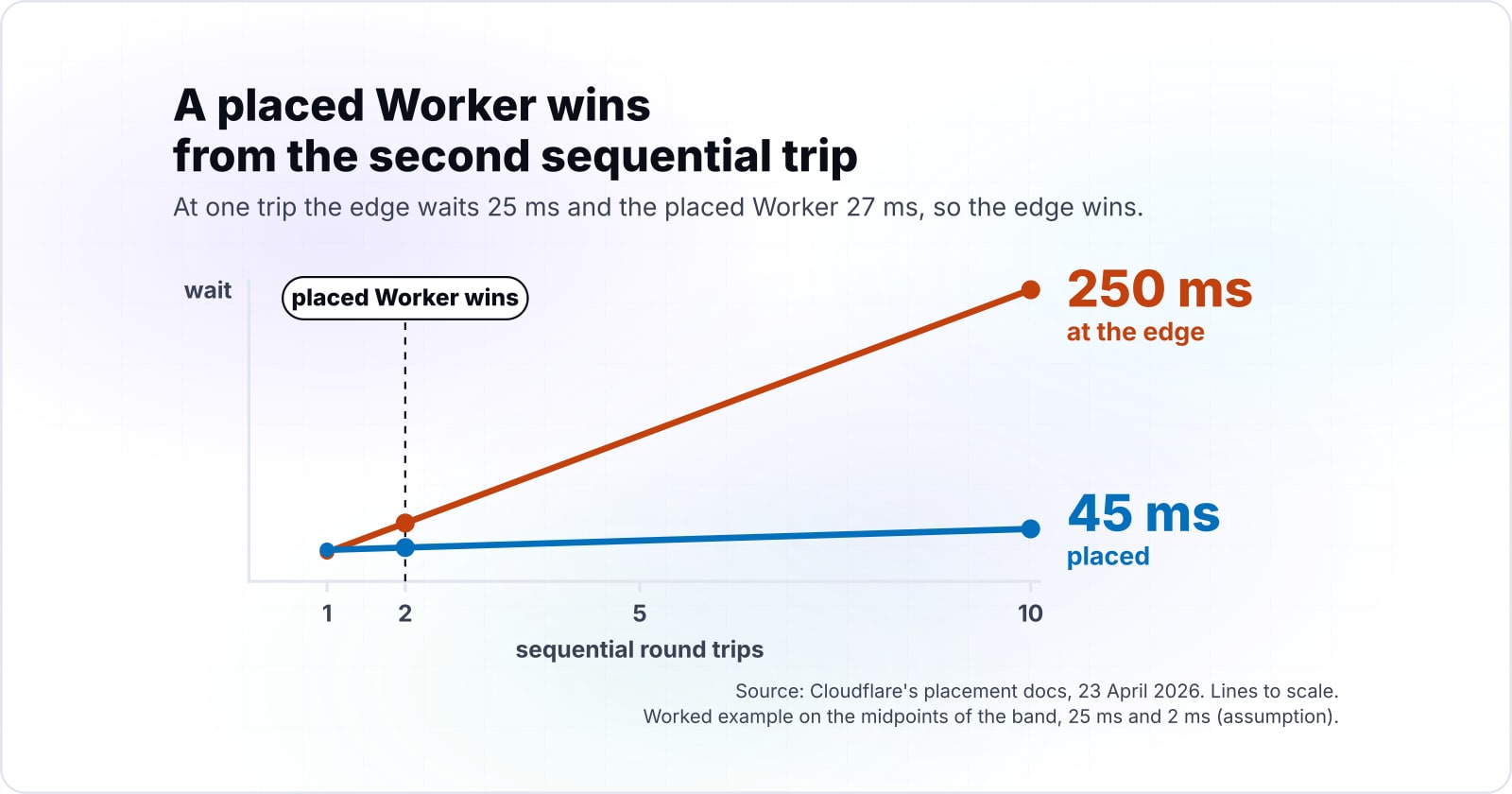
What belongs at the edge vs origin turns on one count: the sequential round trips a route makes to its data. The arithmetic, config and header check.
Read the postTirth Bodawala
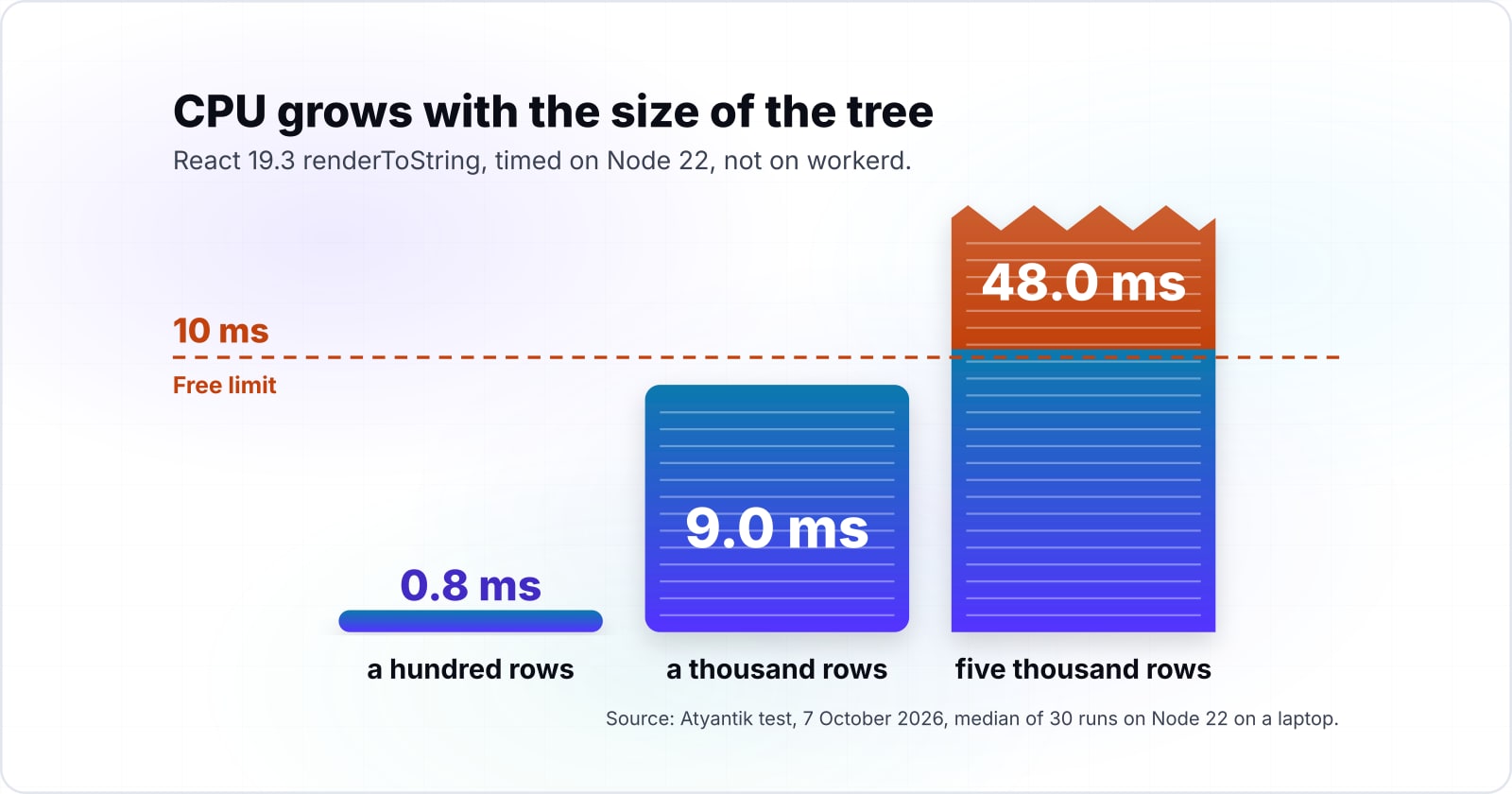
React rendering on Cloudflare, decided per route: measured render CPU against the Workers limits, live TTFB, and a working SSR and SSG split.
Read the postKalpesh Patel
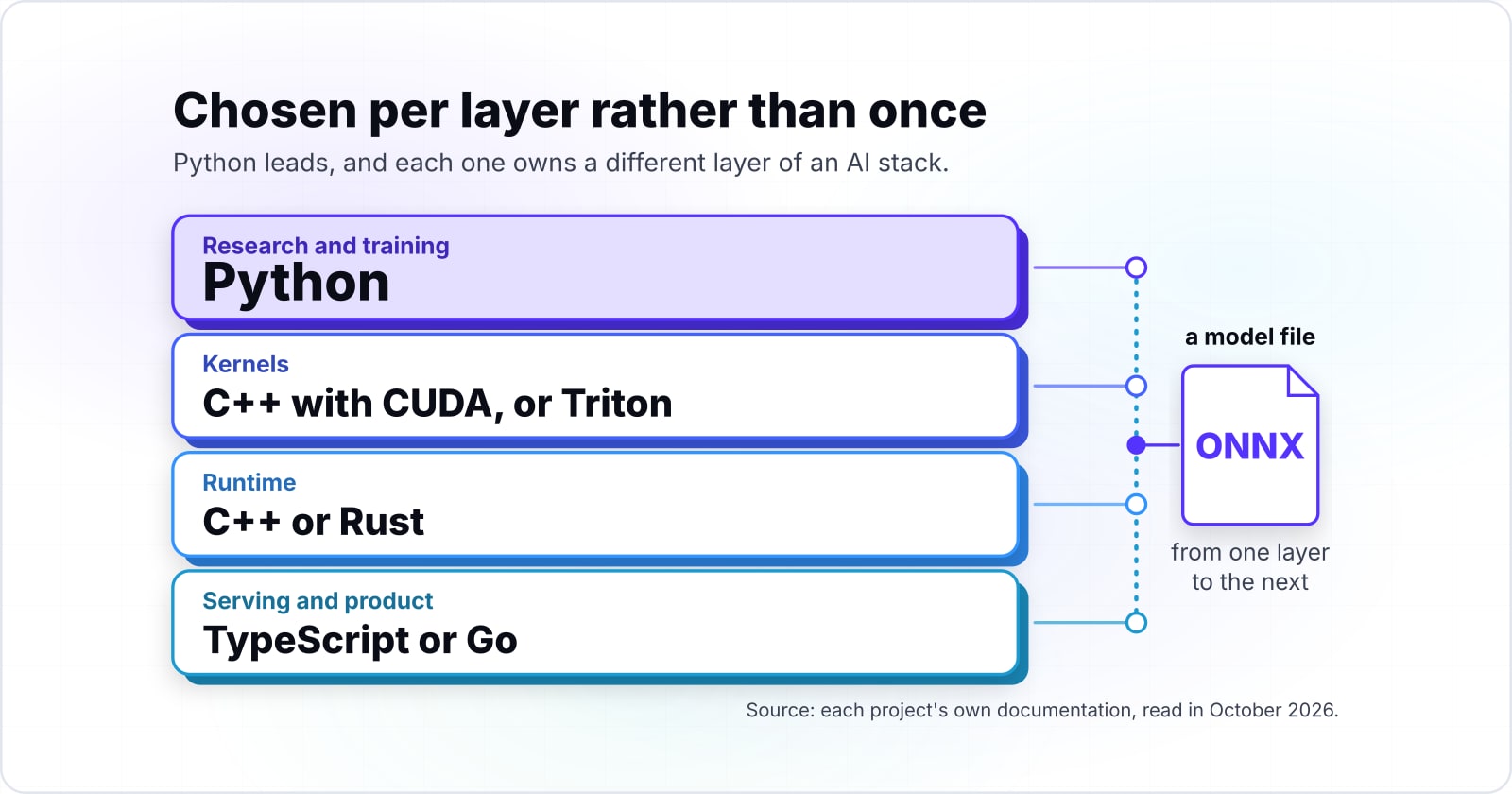
The top AI programming languages by layer: Python to train, C++ and CUDA for kernels, Rust for runtimes, TypeScript or Go to serve, with usage data.
Read the postAyush Makwana
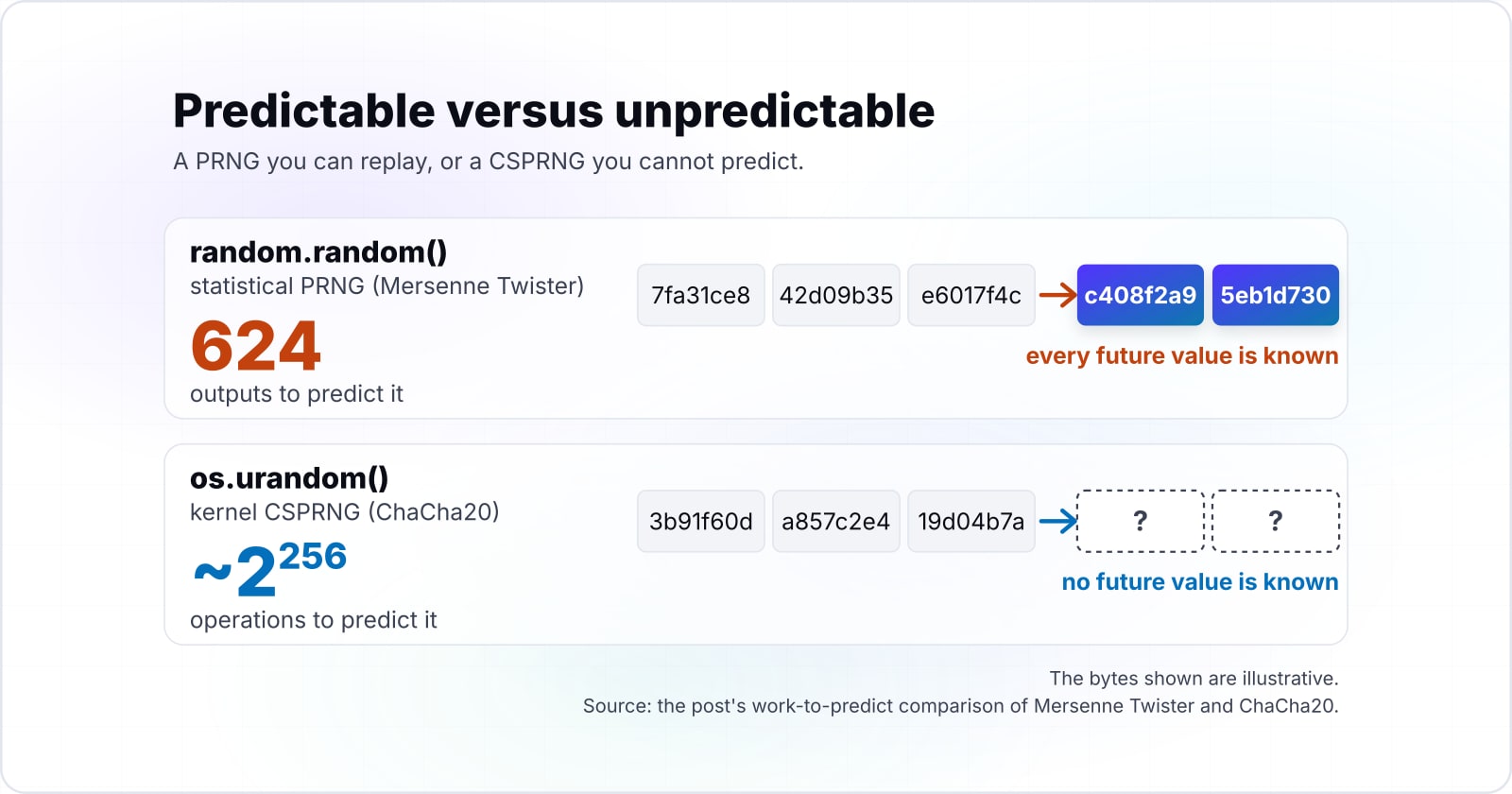
How do computers generate random numbers? Statistical PRNGs versus kernel CSPRNGs, the one question behind each call, and why a wrong pick predicts tokens.
Read the post