Software Engineering Blog
The real calls senior software engineers make, from a URL keystroke to build versus buy.
Latest posts
Ajay Patel
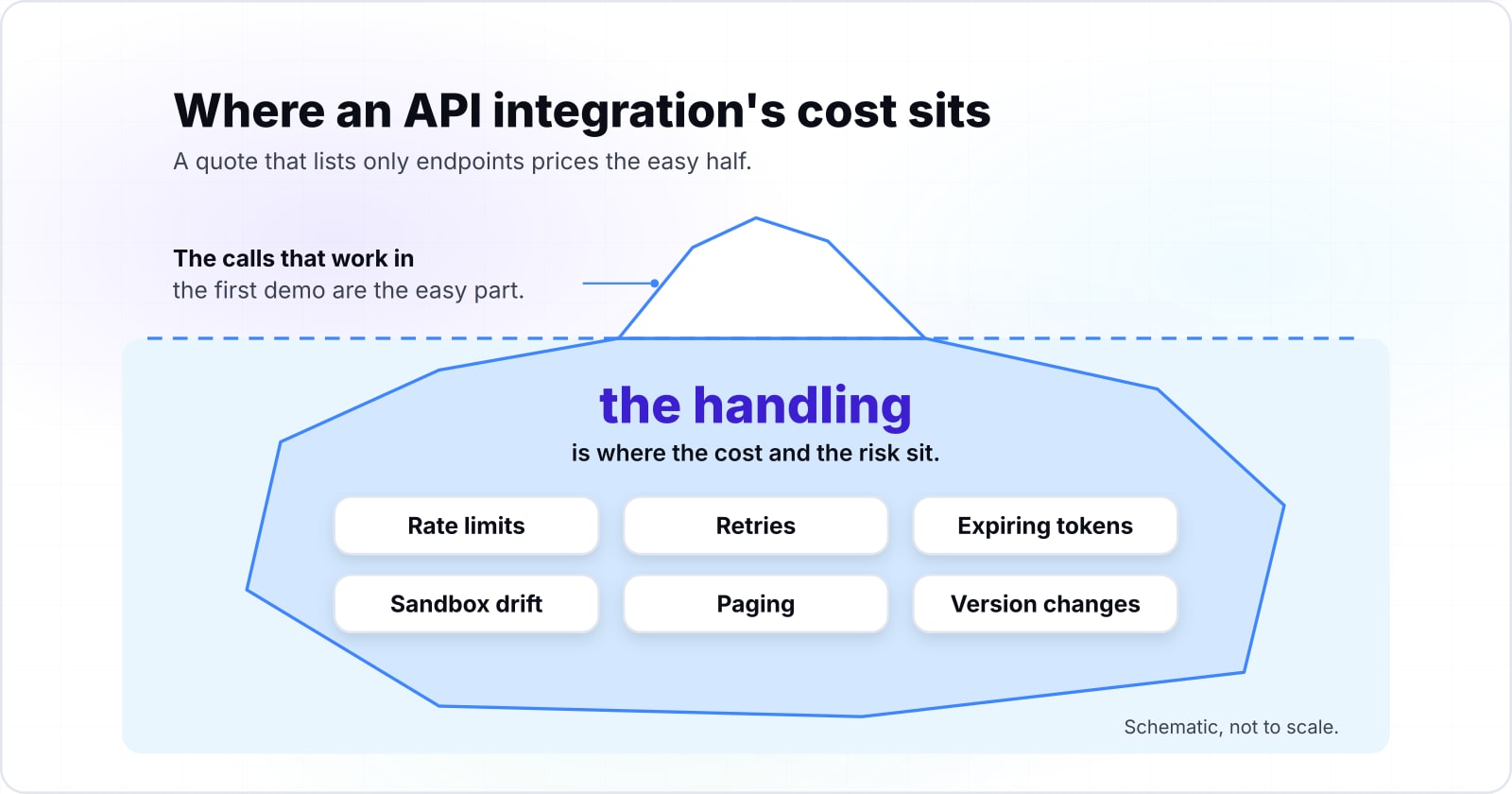
Third-party API integration: what to plan for, what it costs and where it breaks
Third-party API integration planned from the vendor's own rules: rate limits, retries, tokens, paging and version changes as lines a quote must carry.
Read the post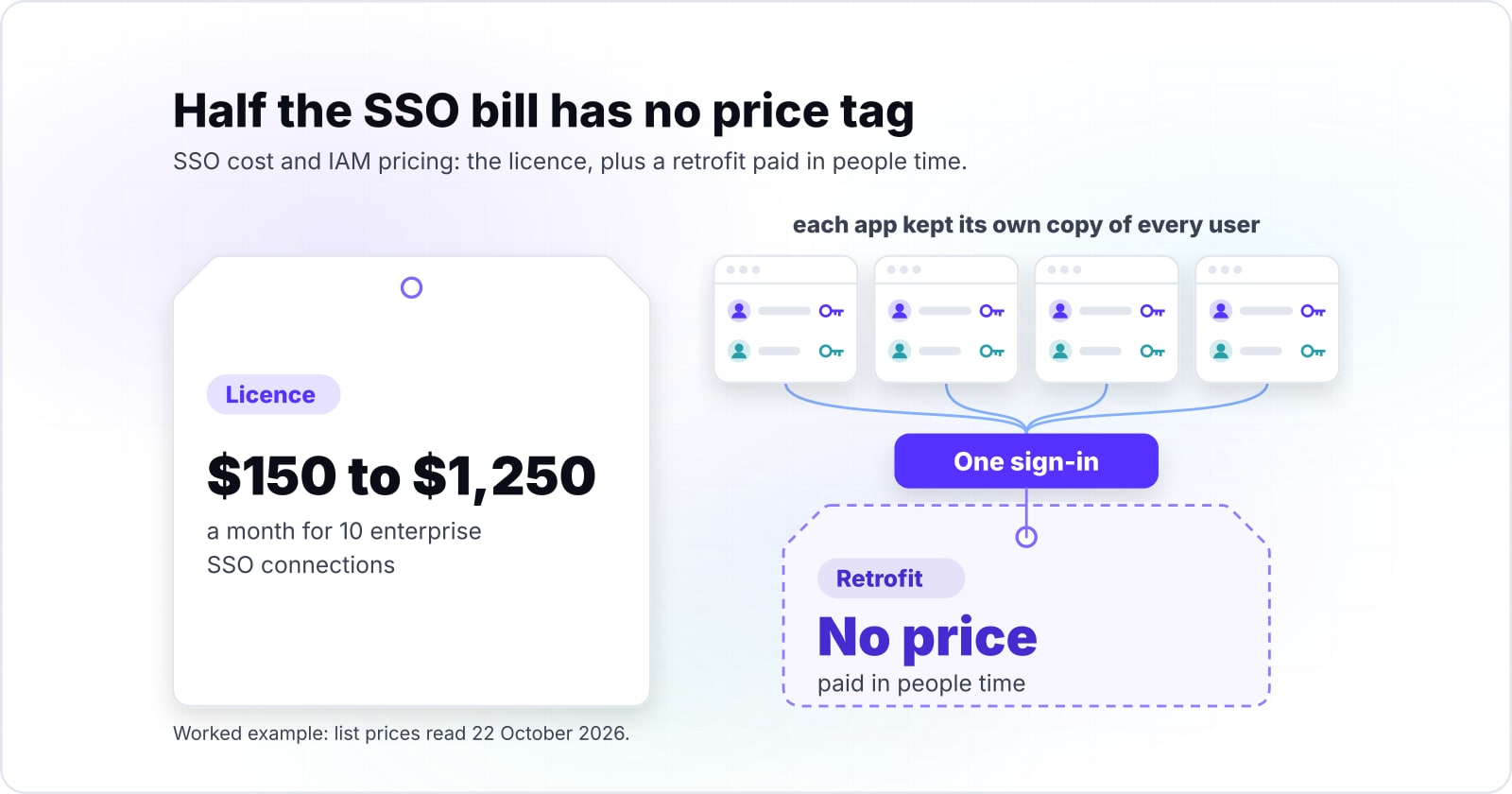
Ajay Patel
SSO cost and IAM pricing in 2026: 22 options, their real units and the retrofit bill
SSO cost and IAM pricing for 22 options, read from each vendor's own page in October 2026, with pros, cons and the cost of a retrofit across apps.
Read the post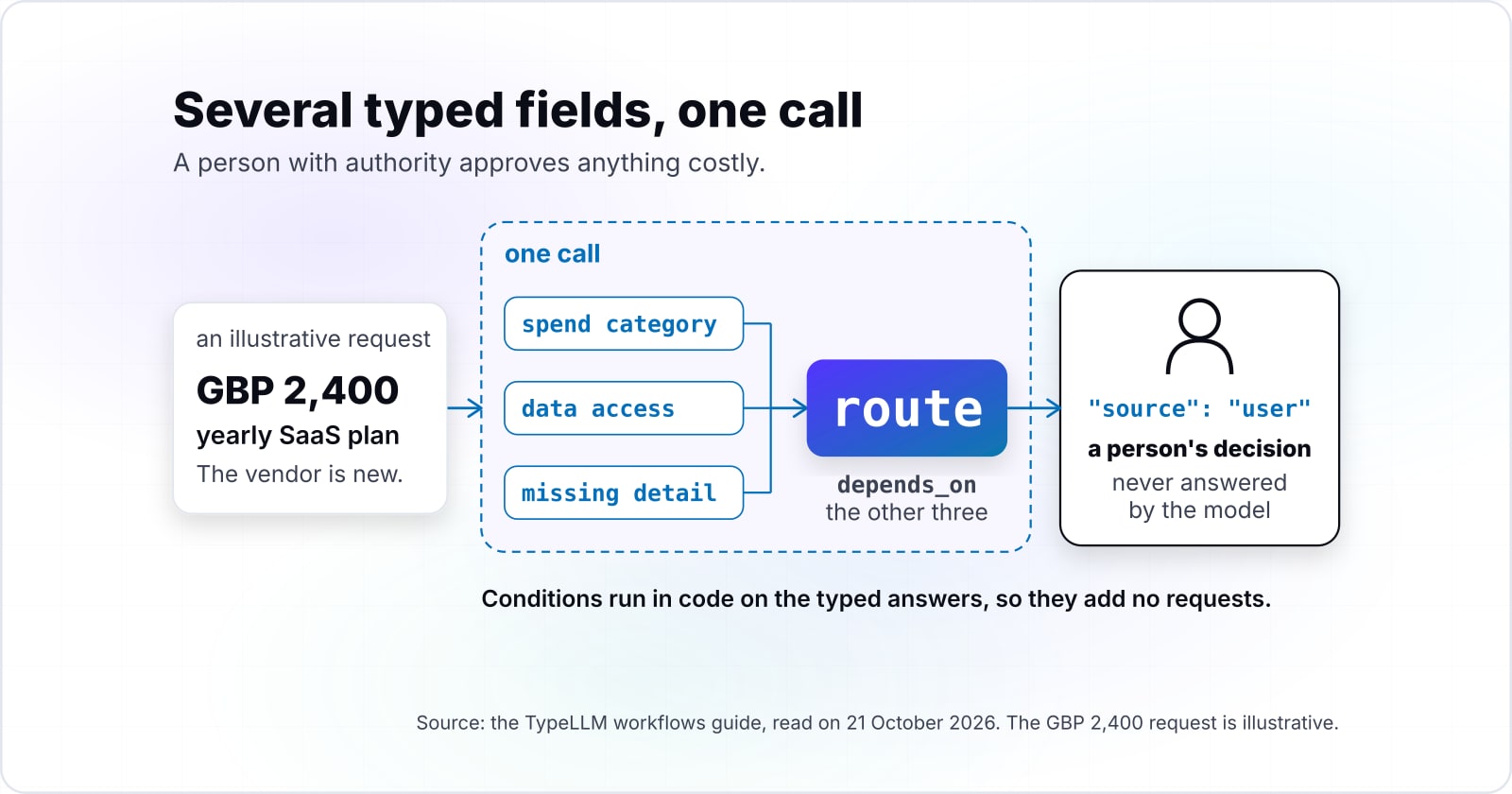
Ajay Patel
The AI Approval Workflow Automation TypeLLM Can Run Inside Your ERP and SaaS
How much AI approval workflow automation TypeLLM should own in ERP and SaaS: typed calls, policy in code, human sign-off, 24-hour resume and run costs.
Read the post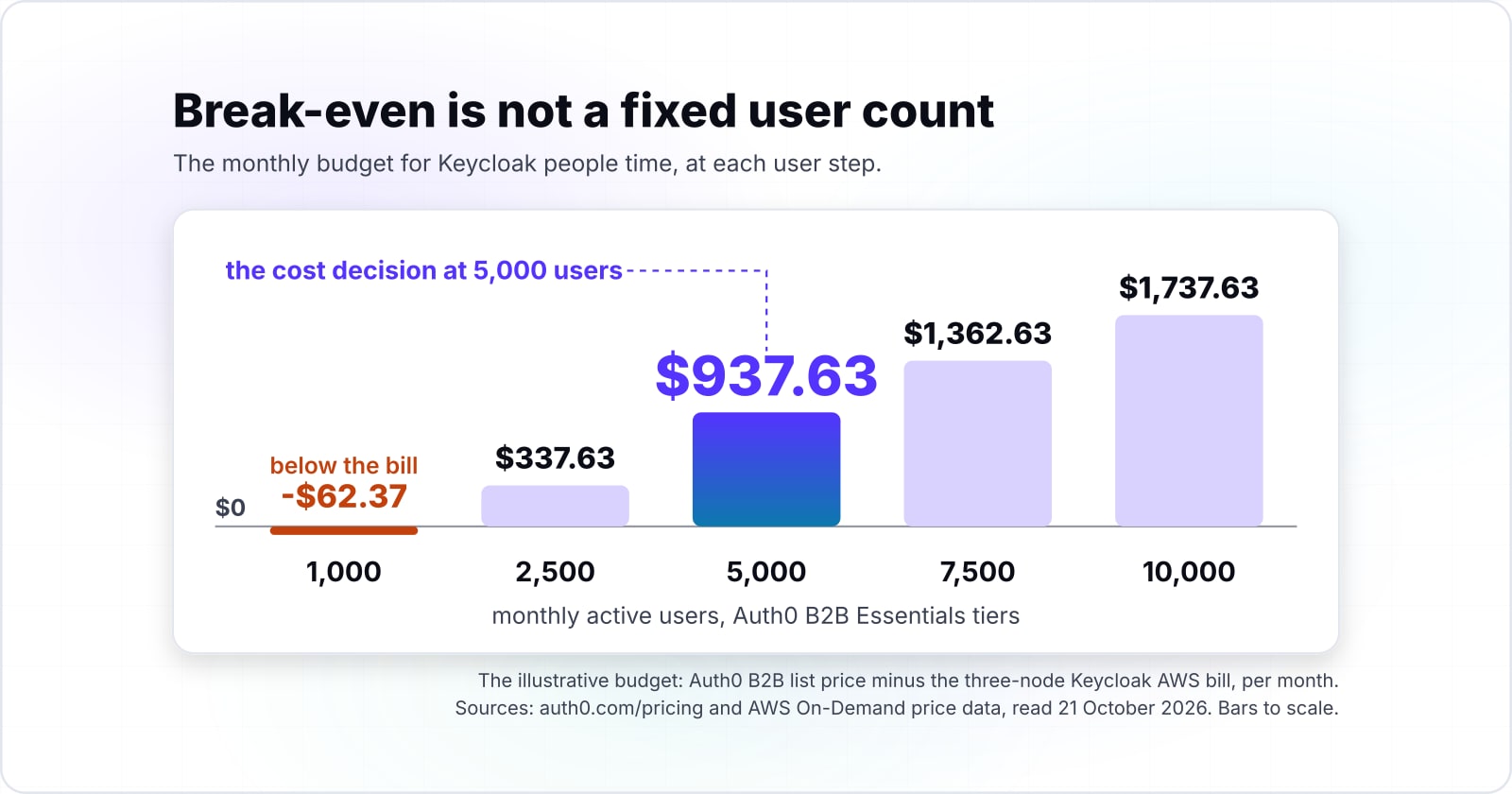
Tirth Bodawala
Keycloak vs Auth0 Cost at 5,000 Users: A Three-Year Build or Buy Guide
Keycloak vs Auth0 cost at 5,000 monthly active users, from dated list prices: the AWS bill line by line, 36-month totals, break-even and migration risk.
Read the post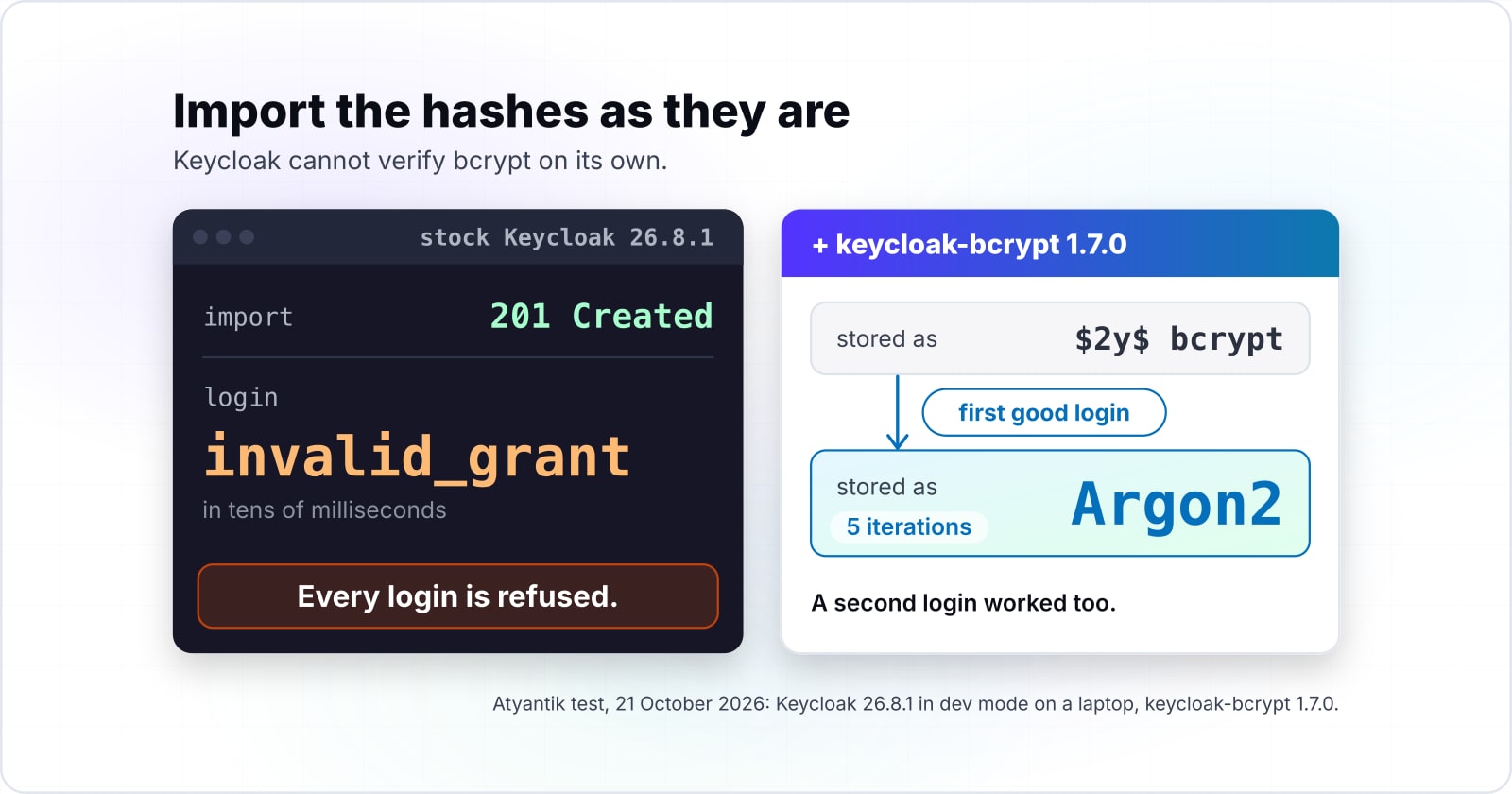
Ajay Patel
Laravel Keycloak user migration without a password reset, for multitenant apps
A Laravel Keycloak user migration that keeps bcrypt passwords: the provider, the first-login rehash, migrate on login, and tenants as Organizations.
Read the post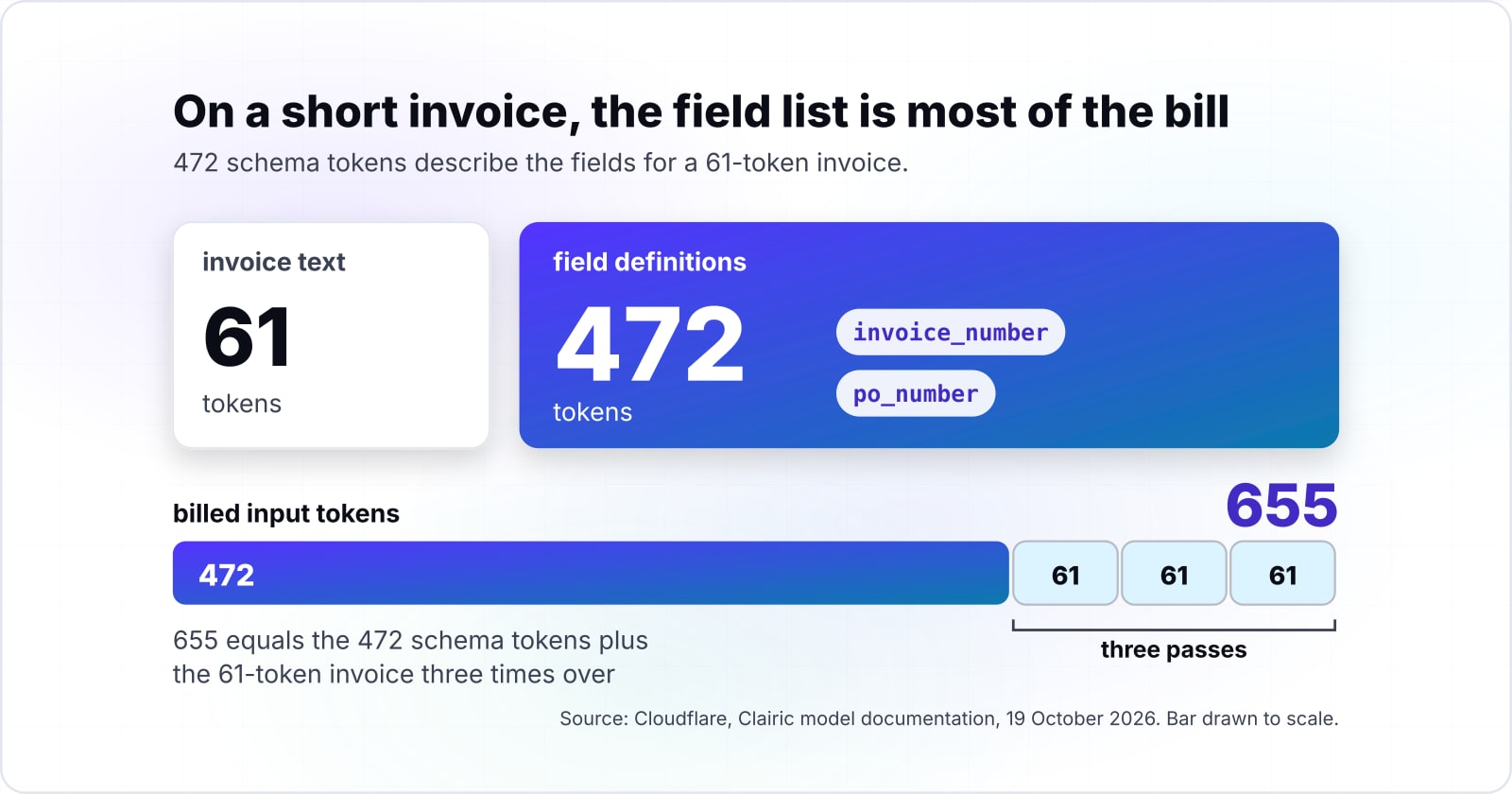
Ajay Patel
AI data extraction with Cloudflare Clairic: the cost, the accuracy and the Worker that runs it
AI data extraction with Cloudflare Clairic, priced per document and per month, with accuracy measured per field and the smallest Worker that runs it.
Read the post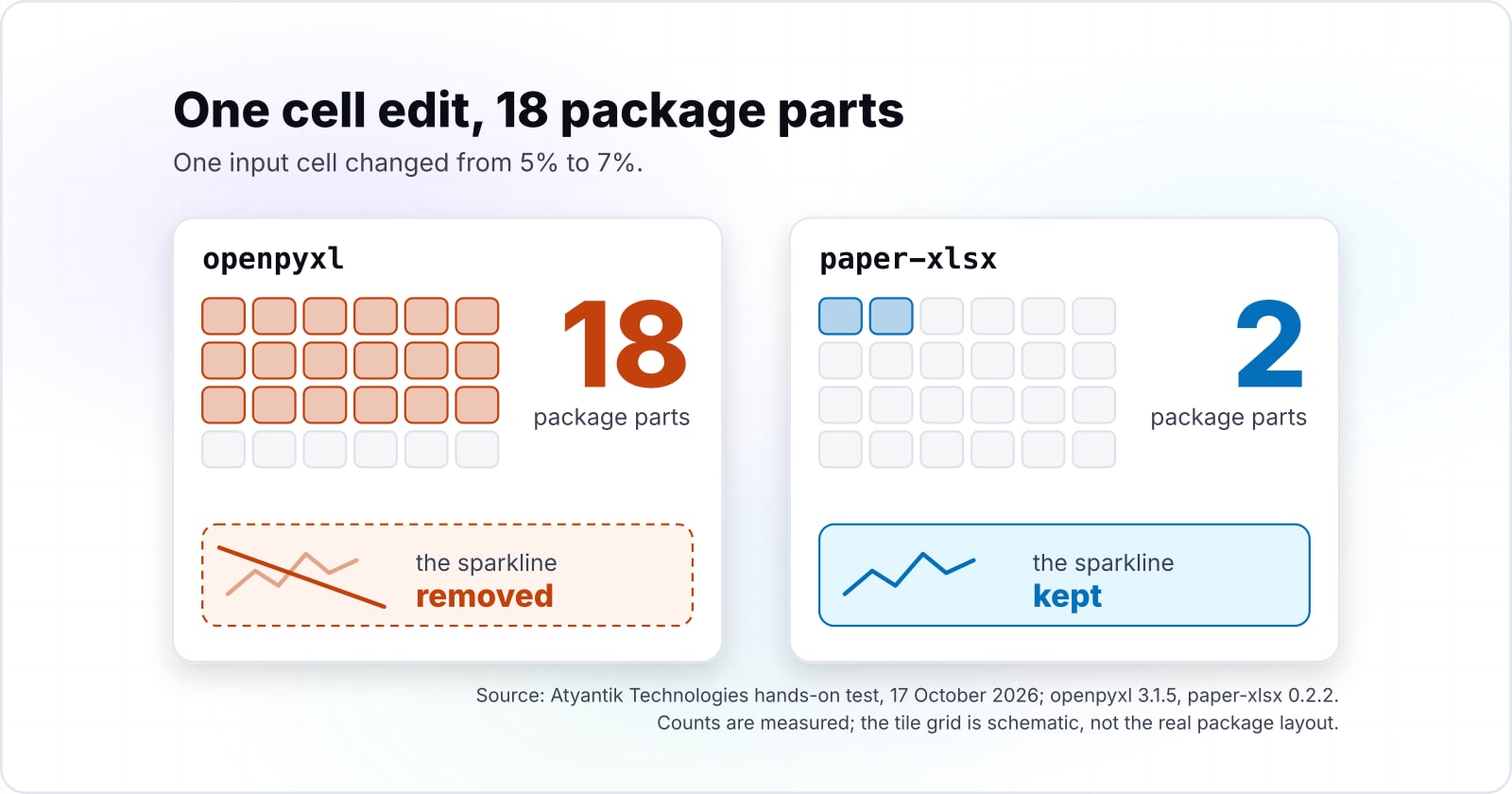
Tirth Bodawala
paper-docx vs python-docx openpyxl python-pptx AI edits: which library keeps an Office file intact?
paper-docx vs python-docx openpyxl python-pptx AI edits, tested: what each Word, Excel and PowerPoint save kept, and the guarded code to use.
Read the post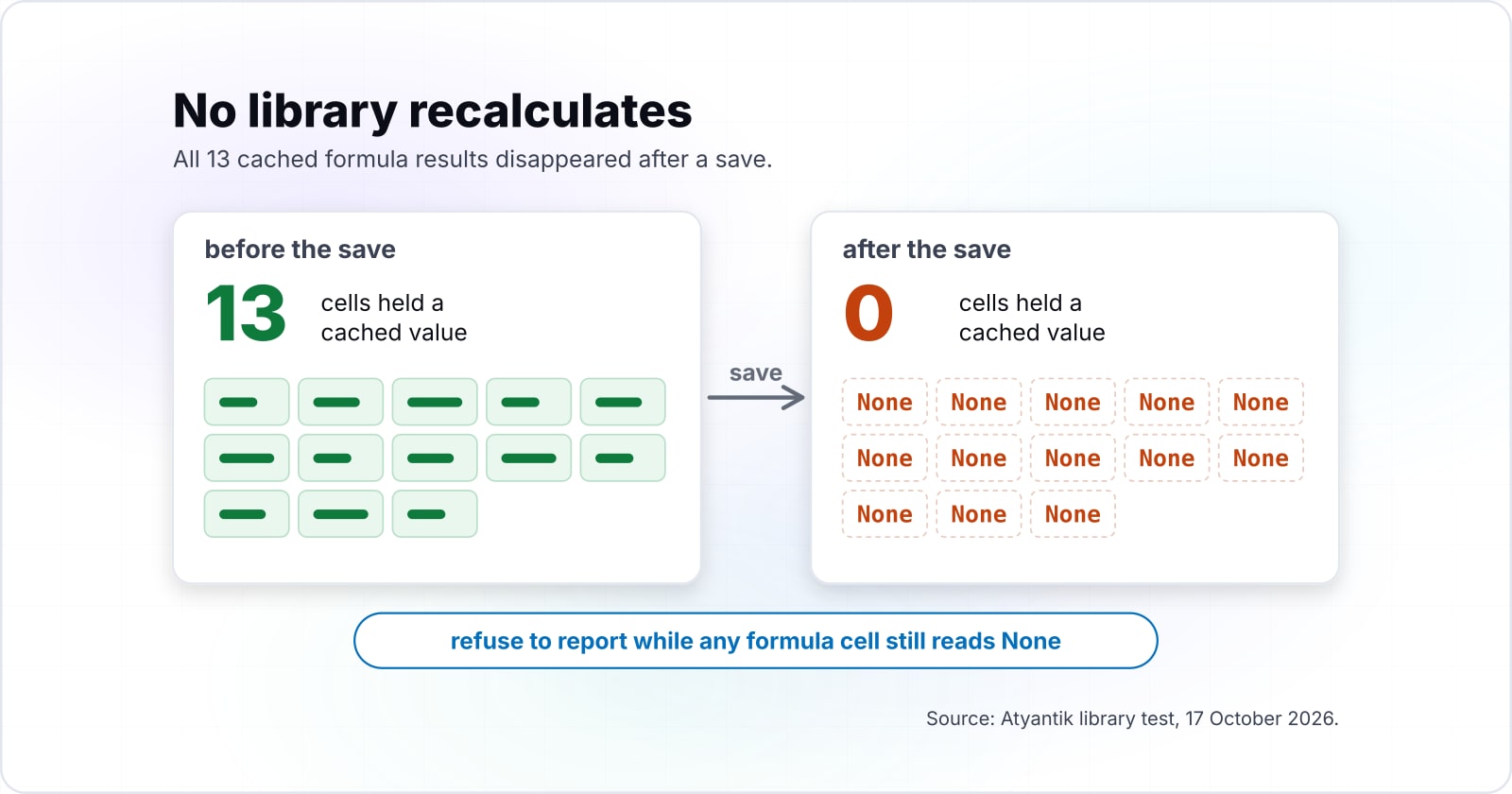
Tirth Bodawala
When AI agents edit Excel Word PowerPoint files: what breaks and five guardrails
When AI agents edit Excel Word PowerPoint files, formulas lose results and tracked changes vanish. See what breaks, five guardrails, and build or buy.
Read the post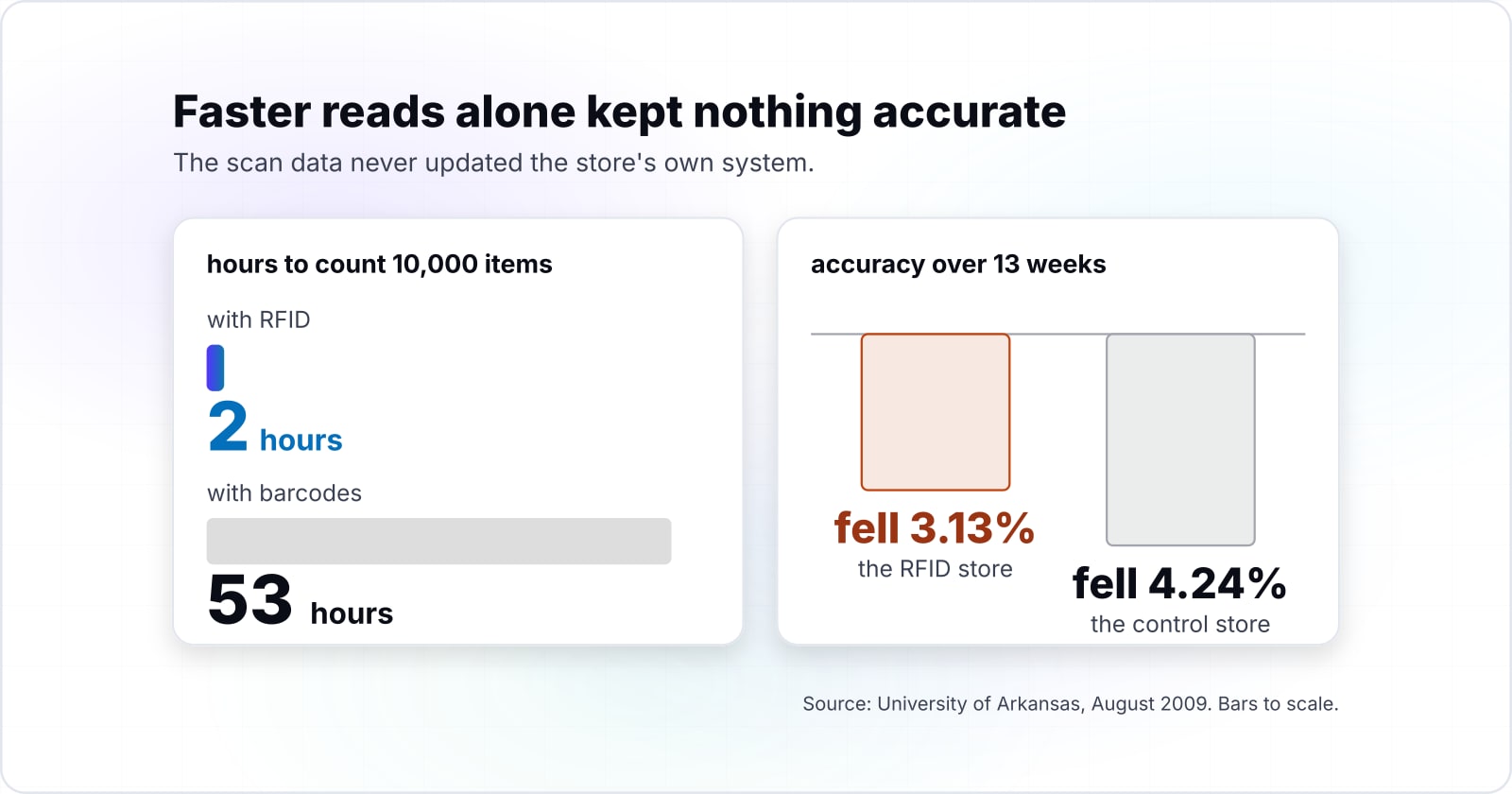
Mitanshi Upadhyay
RFID scan vs stock count: how tag reads become a number you can trust
RFID scan vs stock count: why a sweep's tag list is not a stock level, how to reconcile it with the record, and when a scan may trigger a reorder.
Read the post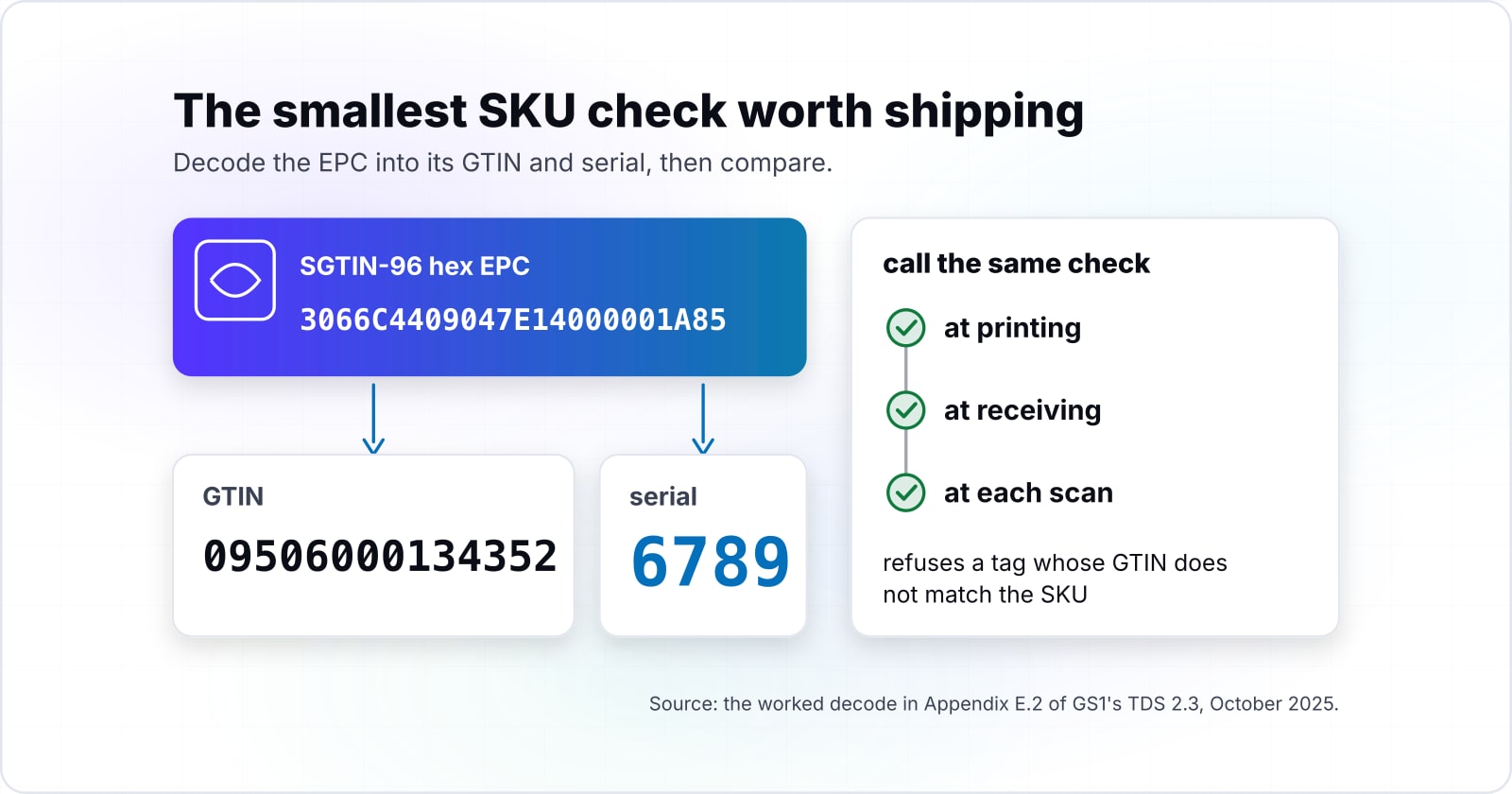
Margi Varmora
Adding RFID to inventory software: the five builds and what goes wrong
Adding RFID to inventory software takes five builds: SKU checks, tag printing, reconciliation, reader adapters and tenant separation. Here is each one.
Read the post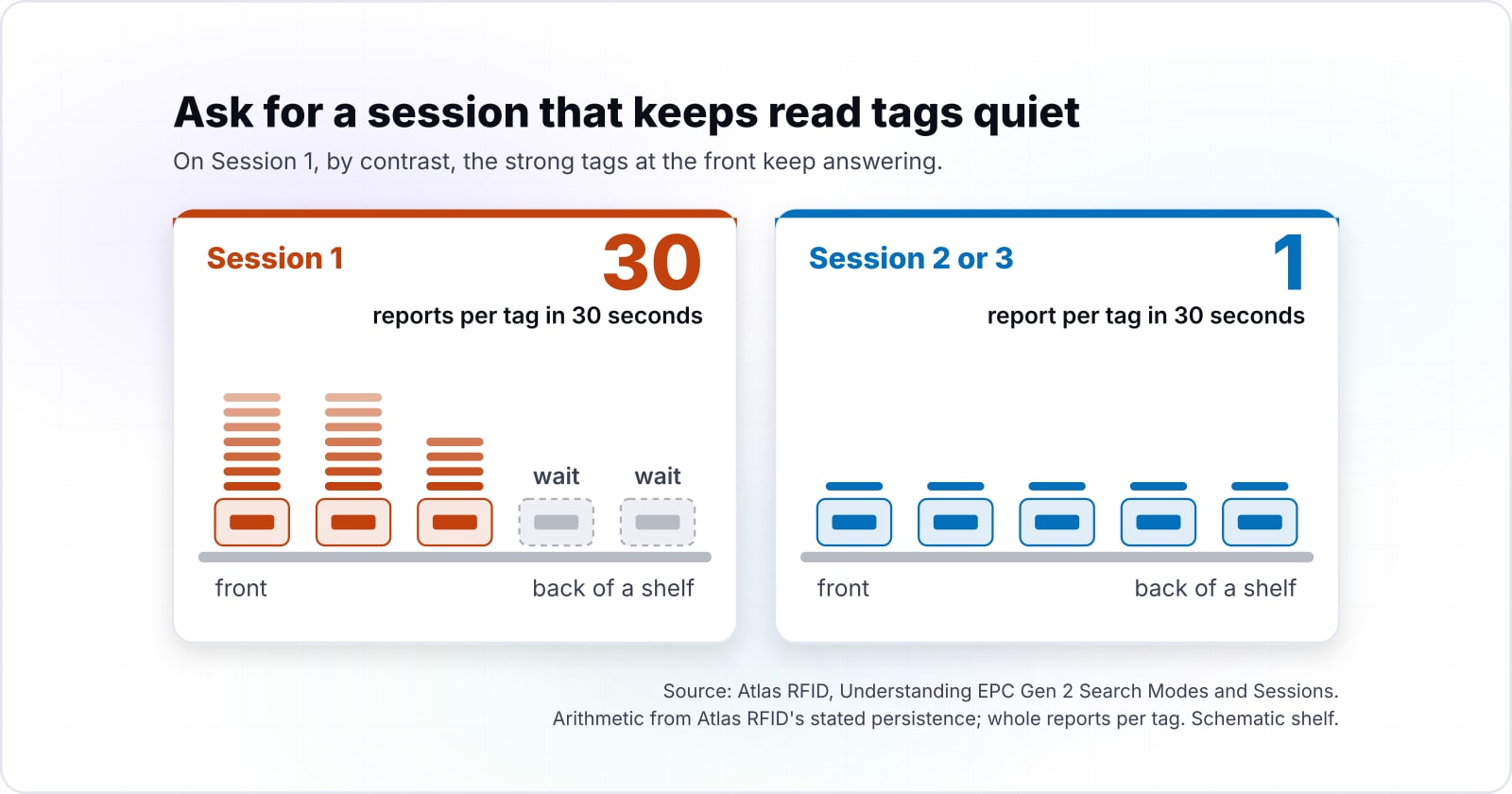
Ankit Prajapati
Android RFID reader SDK: one app, an adapter per vendor, dedupe by EPC
Put every Android RFID reader SDK behind one adapter interface: dedupe by EPC, map session and power per vendor, and fix init failures on Android 12.
Read the post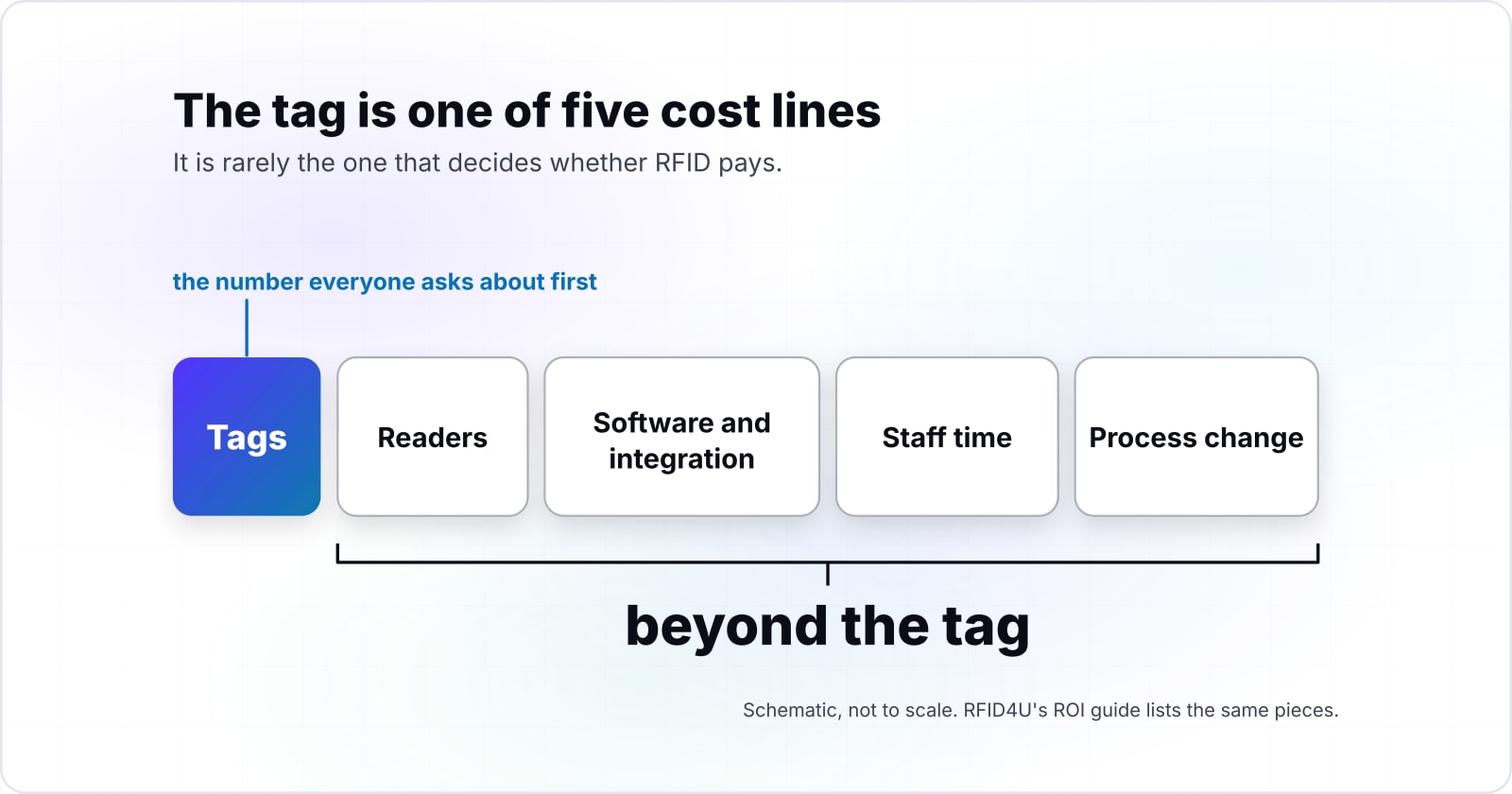
Ajay Patel
RFID tag uses and ROI: where tags work and when they pay back
RFID tag uses and ROI in plain terms: where tags are used, which type fits your goods, what drives the cost, and how to work out your own payback.
Read the post